
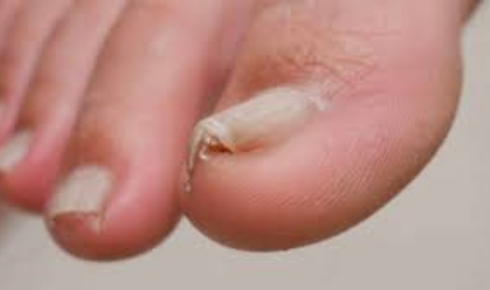
Sharp discomfort along the toe edge often begins subtly before becoming difficult to ignore. Heat, pressure, and spreading pain usually signal that something more serious is happening beneath the skin. Recognizing how these symptoms connect to infection helps determine when professional care is no longer optional.
Localized Heat Means Active Inflammation
Warmth concentrated around the toenail is one of the earliest physical changes the body produces during inflammation. Blood vessels expand to deliver immune cells to the irritated area, increasing surface temperature. This response commonly appears once the nail edge has broken the skin, allowing bacteria to enter the surrounding tissue. As inflammation persists, heat often intensifies rather than fading. That ongoing warmth suggests the body is actively fighting irritation instead of resolving it. At this stage, pressure from shoes or walking usually increases discomfort, indicating the condition may require evaluation by an ingrown toenail doctor rather than simple monitoring.
Pain Spreading Signifies Infection Progressing
Pain that radiates beyond the nail corner often reflects deeper tissue involvement. Early ingrown toenails typically cause discomfort limited to a small area. Once pain travels into the toe pad or joint, infection is likely spreading through surrounding soft tissue.
This spreading sensation also affects mobility. Walking may feel unstable, and even light contact can trigger sharp pain. These changes often signal that professional ingrown toenail removal may be needed to stop further progression and prevent damage beyond the nail fold.
Key Indicators for Prompt Medical Intervention
Certain signs consistently point toward the need for medical care. Persistent redness, swelling that does not subside, drainage, and increasing warmth all indicate infection. Combined symptoms usually worsen rather than stabilize, especially over several days.
Ignoring these indicators often leads to complications. Seeking an ingrown toenail removal doctor early allows for controlled treatment before infection advances. Many patients searching for ingrown toenail removal near me do so after symptoms disrupt daily routines, though earlier care often leads to faster recovery.
Home Remedies Are Ineffective at This Stage
Soaking the foot or adjusting footwear may relieve pressure in very mild cases. Once warmth and radiating pain develop, these measures rarely address the underlying problem. Bacteria trapped beneath the nail continue to multiply regardless of surface care. Attempting self-treatment at this stage can worsen the condition. Cutting the nail improperly or applying pressure increases tissue damage. Professional ingrown toenail removal removes the embedded nail section entirely, addressing the root cause instead of masking symptoms.
Body’s Response to Bacterial Invasion Is Clear
The body reacts quickly to bacterial exposure through swelling, heat, and pain. These responses are not random; they signal active immune engagement. Pus formation or throbbing sensations often follow once bacteria multiply beyond the body’s initial defenses. As infection develops, the toe may feel tight or firm due to fluid buildup. This pressure explains why pain intensifies without relief. A qualified ingrown toenail doctor can evaluate whether the infection remains localized or requires more extensive intervention.
Immediate Podiatric Assessment Becomes Vital
Delayed evaluation allows infection to extend deeper into the toe. Podiatric assessment identifies whether surrounding tissue, bone, or circulation is affected. This evaluation determines the safest treatment approach and reduces unnecessary complications.
Patients in need of ingrown toenail removal Huntsville AL often present with advanced symptoms due to delayed care. Early assessment allows for simpler procedures, less downtime, and lower risk of recurrence compared to waiting until infection spreads.
Condition Likely Beyond Mild and Self-care
Once warmth and radiating pain appear together, the condition rarely resolves without intervention. Mild cases generally respond to rest and pressure relief. Advanced cases persist regardless of footwear changes or home care routines.
Ongoing inflammation also increases the chance of repeated infections. Addressing the problem through professional ingrown toenail removal helps prevent cycles of recurring pain. Many seeking a Huntsville ingrown toenail doctor do so after realizing self-care no longer improves symptoms.
Timely Treatment Prevents Severe Complications
Untreated infections can lead to abscess formation or tissue damage. In individuals with circulation issues or diabetes, risks increase significantly. Prompt treatment limits bacterial spread and reduces the chance of long-term complications.
Treatment timing directly affects recovery length. Early removal and care allow tissue to heal efficiently, while delays often result in prolonged discomfort. Consulting an ingrown toenail removal doctor early helps preserve toe health and function.
Do Not Ignore These Distinct Warning Signs
Radiating pain and warmth serve as clear warning signals rather than minor inconveniences. These symptoms indicate that the body is under strain and needs assistance to resolve infection. Continued activity without treatment often worsens outcomes.
Seeking professional evaluation ensures proper diagnosis and effective care. For individuals experiencing these symptoms, The Foot Clinic offers support and treatment options aligned with preventing progression and restoring comfort.