
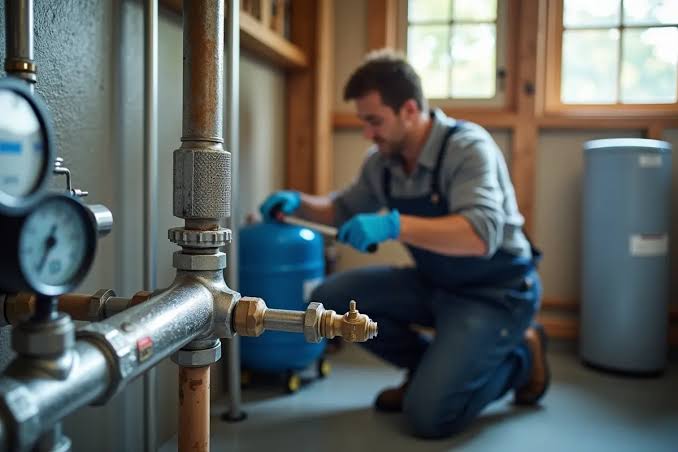
A home water system is one of those things you rarely think about when everything is working properly. Turn on the tap, take a shower, run the washing machine, and move on with your day. But behind that simple routine, filters, pipes, valves, pumps, tanks, and treatment equipment are working quietly around the clock.
Like any other household system, water equipment needs attention. Regular maintenance isn’t just about fixing a problem after it appears. It’s about noticing small warning signs early, keeping equipment working efficiently, and avoiding the kind of repair that suddenly turns into an expensive replacement.
More importantly, good maintenance helps homeowners feel confident about the water they use every day.
Small Problems Can Become Expensive Repairs
Water systems tend to give subtle warnings before something goes seriously wrong. A drop in water pressure, unusual taste, cloudy water, strange odors, or a filter that seems to clog faster than usual can all point to an underlying issue.
Ignoring these signs is tempting, especially when the water still seems usable. After all, nobody wants to call a technician for every little change. But a small issue can gradually place extra stress on other components.
For example, a clogged filter can make a filtration system work harder. A leaking connection may slowly damage surrounding areas. Mineral buildup can restrict water flow and affect valves or appliances. Catching these issues early can help prevent major failures and reduce the disruption caused by unexpected breakdowns.
Routine inspections give homeowners a chance to deal with these problems while they’re still manageable.
Maintenance Helps Equipment Work More Efficiently
Water treatment and plumbing equipment aren’t designed to run forever without attention. Filters become saturated, membranes lose effectiveness, seals wear out, and moving parts can collect deposits over time.
When maintenance is skipped, the system may continue operating, but not necessarily at its best. A water softener might use more salt than expected. A filtration system may struggle to maintain normal flow. Pumps can become less efficient, and components may experience unnecessary wear.
Regular servicing keeps individual parts functioning closer to their intended performance. It also gives technicians an opportunity to clean components, check connections, inspect pressure levels, and identify parts that may need adjustment.
That kind of preventive care can ultimately help extend system lifespan, which is especially valuable when the equipment represents a significant investment.
Filters Deserve More Attention Than They Get
Filters are often the first line of defense in a residential water system, yet they’re easy to overlook.
A filter that’s past its recommended replacement interval may become less effective. Depending on the type of filter and the quality of incoming water, it may also become heavily loaded with sediment or other particles. Once that happens, water flow can decrease and the system may have to work harder.
Replacement schedules aren’t identical for every household. A family using a large amount of water may need more frequent changes than a smaller household. Well water, local water quality, and the specific filtration technology also matter.
Instead of relying only on a calendar, pay attention to changes in water pressure, taste, odor, and overall performance. Your system can often tell you when something isn’t quite right.
Water Quality Should Be Checked Regularly
Good maintenance isn’t only about mechanical performance. Water quality matters just as much.
Even if water looks perfectly clear, certain contaminants can’t be detected by sight, smell, or taste. That’s why periodic water testing can be useful, particularly for homes that rely on private wells or have noticed changes in their water.
Testing can help identify issues involving minerals, sediment, hardness, chlorine, metals, or other contaminants. Once homeowners understand what’s actually present in their water, they can choose treatment and maintenance steps based on evidence rather than guesswork.
Proper filtration, timely filter replacement, and routine system checks all contribute to helping maintain high-quality water throughout the home. It’s a practical approach, not an overcomplicated one.
Don’t Ignore Leaks and Pressure Changes
A dripping connection may not look urgent, but water has a habit of finding weak points. Even a small leak can waste water and create moisture around cabinets, walls, floors, or equipment.
Water pressure also deserves attention. A sudden pressure drop might be related to a clogged filter, damaged pipe, failing pump, or another restriction. On the other hand, unusually high pressure can put extra strain on plumbing fixtures and appliances.
Homeowners should keep an eye on these changes rather than treating them as normal aging. If pressure fluctuates frequently or a leak keeps returning after a basic repair, professional inspection is usually the smarter move.
Seasonal Maintenance Can Make a Difference
Different seasons can place different demands on a water system. Hot weather can increase household water consumption, while colder conditions may create problems for exposed pipes and outdoor equipment.
Before periods of heavy use, it’s worth checking filters, visible plumbing connections, tanks, pumps, and treatment equipment. Look for corrosion, moisture, unusual sounds, or signs of wear.
If the property has a well system, seasonal inspection becomes even more important. Components that remain out of sight can deteriorate without being noticed until performance changes.
A simple maintenance routine doesn’t have to take an entire weekend. A few minutes of inspection every month, combined with professional servicing at appropriate intervals, can go a long way.
Professional Inspections Still Have Their Place
DIY checks are useful, but they’re not a substitute for professional maintenance. Trained technicians can identify issues that aren’t obvious to an untrained eye and can test system performance more thoroughly.
Professional servicing may include inspecting pressure, checking valves and connections, evaluating filtration performance, cleaning certain components, and recommending replacements when necessary.
The goal isn’t to replace every part at the first sign of wear. A good technician should help homeowners understand what’s actually happening and what needs attention now versus later.
That information can make maintenance decisions much less stressful.
A Little Attention Goes a Long Way
Water systems work quietly, which is probably why they’re so easy to forget. But they deserve the same basic care we give to heating systems, air conditioners, vehicles, and other important household equipment.
Regular maintenance can improve efficiency, catch developing problems, protect connected appliances, and support consistent water quality. It can also save money over time by reducing avoidable emergency repairs and premature equipment replacement.
The best maintenance strategy is usually simple: monitor performance, replace filters when needed, test water periodically, address leaks quickly, and arrange professional inspections when the system calls for them.
You don’t have to wait for cloudy water, a sudden pressure drop, or a complete breakdown before paying attention. A little care today can keep your water system dependable tomorrow — and that’s one household chore that’s genuinely worth doing.