
Keeping Water Treatment Systems Reliable: The Importance of Everyday Care
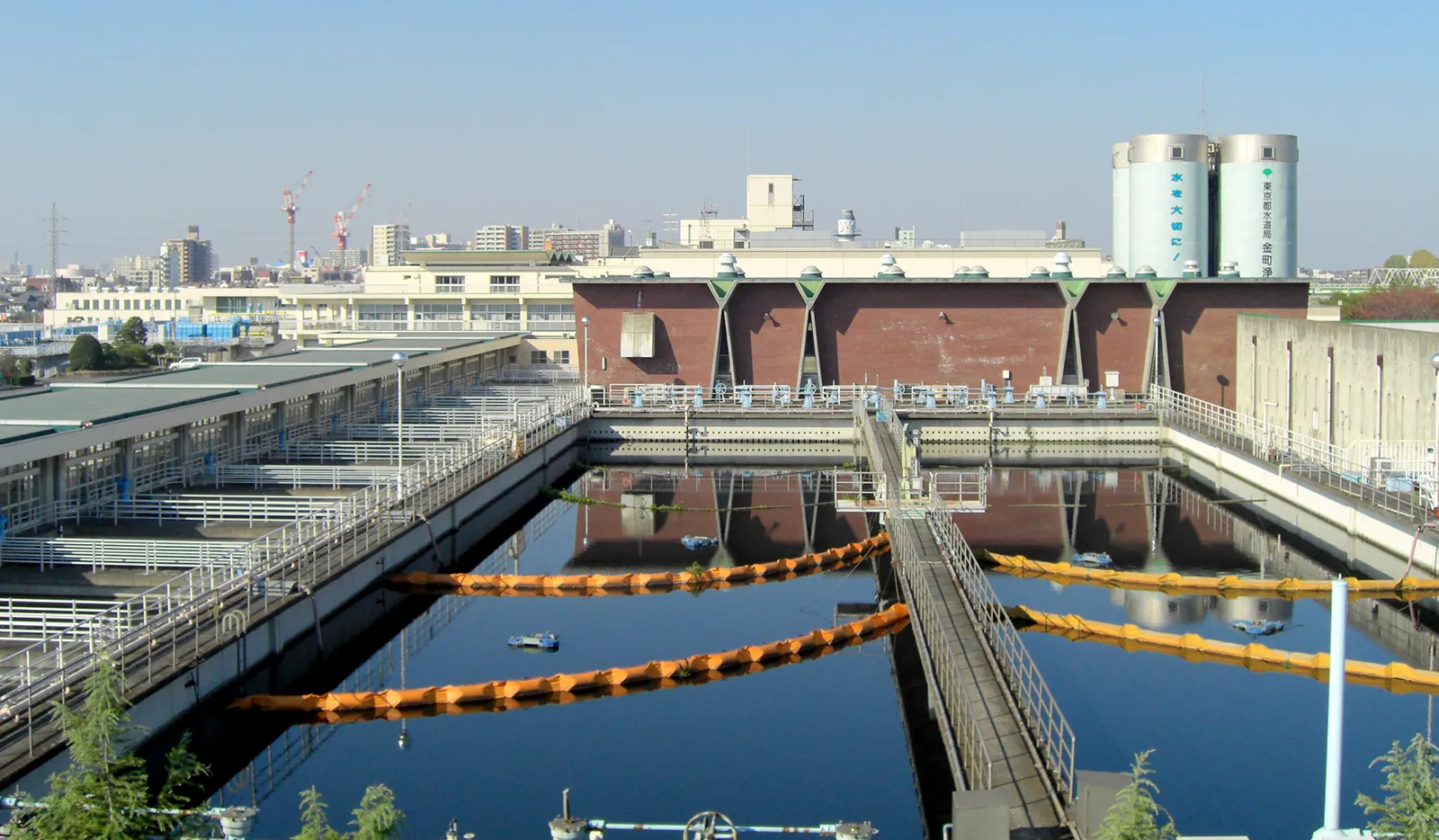
A water treatment system is one of those things you rarely think about when everything is working properly. The water tastes fine, the shower feels comfortable, and there are no strange spots on the kitchen tap. Life carries on. But when a system stops doing its job, even a small problem can quickly become frustrating.…
A water treatment system is one of those things you rarely think about when everything is working properly. The water tastes fine, the shower feels comfortable, and there are no strange spots on the kitchen tap. Life carries on. But when a system stops doing its job, even a small problem can quickly become frustrating. Water may develop an unusual smell, equipment can lose efficiency, or a minor leak can turn into an expensive repair.
The good news is that most of these headaches can be reduced with a little attention and the right professional support. Whether you manage a family home, a rental property, or a busy commercial facility, understanding how your water equipment works — and what it needs to keep working — can make a genuine difference.
Why Water Treatment Needs More Than Installation
Installing a water treatment system is an important first step, but it isn’t the end of the story. Filters collect unwanted particles, softeners manage hardness minerals, and other treatment technologies address specific water quality concerns. Over time, these components naturally wear down or become less effective.
Think of a water filter much like the air filter in a car. It can’t keep doing its job indefinitely without attention. A clogged filter may restrict water flow, while exhausted treatment media might no longer remove the substances it was designed to handle.
The challenge is that problems aren’t always obvious. Water can look perfectly clear even when a filter needs replacing or a system requires adjustment. That’s why following the manufacturer’s maintenance schedule matters, even when everything seems fine.
Regular inspections can also reveal loose connections, worn seals, unusual pressure changes, and early signs of corrosion. Catching these issues sooner usually means less disruption and fewer unpleasant surprises.
The Value of Ongoing Maintenance and Professional Support
There’s a difference between fixing a problem after it appears and preventing it from developing in the first place. A sensible maintenance routine helps homeowners and businesses do more of the latter.
Professional maintenance & support can include checking operating pressure, inspecting valves and fittings, testing system performance, cleaning appropriate components, and replacing consumables when necessary. The exact service depends on the equipment installed and the quality of the incoming water.
For example, a household using hard groundwater may need more frequent attention to its softener than a home supplied with relatively soft municipal water. A commercial kitchen, meanwhile, may depend on filtration equipment every day. If that equipment fails during a busy lunch service, the consequences extend beyond an inconvenience at the tap.
It also helps to keep a simple service record. Write down installation dates, filter changes, repairs, and water test results. This small habit makes it easier to identify recurring issues and gives a technician useful information when something goes wrong.
And don’t ignore a sudden change in taste, odor, or flow. It doesn’t automatically mean the treatment system has failed, but it deserves investigation rather than guesswork.
How Smart Water Systems Make Daily Management Easier
Water technology has moved well beyond basic filters and manual valves. Many modern systems now use sensors, digital controls, and connected monitoring tools to make water management more convenient.
Depending on the model, smart water systems can track water consumption, alert users to unusual flow, monitor certain operating conditions, or notify them when a filter is approaching its replacement interval. Some connected leak detectors can even shut off the water supply when they identify a potentially serious leak.
That last feature can be particularly useful for people who travel frequently or own properties that sit empty for long periods. A burst pipe doesn’t wait for someone to return home. Early detection may help limit damage to flooring, furniture, and walls.
Still, smart technology isn’t magic. Sensors need to be installed correctly, alerts must be configured, and batteries or communication connections may require occasional attention. Not every system monitors water quality directly, either. A device that measures flow or detects leaks shouldn’t be mistaken for a laboratory water test.
The most useful technology is the kind that solves a real problem without adding unnecessary complexity. Before investing, consider what you want to monitor, how alerts are delivered, and whether the equipment works with your existing plumbing.
Supplies Matter More Than You Might Think
One surprisingly common reason water treatment systems underperform is that essential supplies run out or aren’t replaced on time. Salt-based water softeners, for instance, require suitable salt to regenerate their resin and continue reducing hardness effectively.
In homes with busy schedules, remembering to check the brine tank can easily slip down the priority list. Businesses face a similar challenge, particularly when several pieces of equipment depend on regular replenishment.
Reliable salt & chemical delivery can help prevent these avoidable interruptions, especially for commercial facilities and properties with high water demand. Depending on the treatment process, supplies might include water-softener salt, approved cleaning agents, or other treatment chemicals specified by the equipment manufacturer.
However, more isn’t always better. Using the wrong chemical, adding an unsuitable product, or ignoring dosage instructions can damage equipment and compromise treatment performance. Never mix treatment chemicals unless the manufacturer explicitly permits it, and follow the relevant handling and storage precautions.
For systems that use disinfectants or other regulated treatment chemicals, trained professionals should determine the correct products and operating levels. Guessing based on appearance or smell isn’t a reliable way to manage water chemistry.
Choosing the Right Service Plan for Your Property
Not every property needs an elaborate maintenance contract. A small household with a simple under-sink filter has different requirements from a hotel, restaurant, manufacturing site, or apartment complex.
Start by considering how much water you use, which treatment technologies are installed, and what could happen if the system stopped working. A home might reasonably schedule periodic filter changes and an annual inspection, depending on the manufacturer’s guidance. A business with continuous water demand may need more frequent checks and a clear response plan for equipment failures.
Ask service providers what their plans actually include. Do they inspect the whole system or only replace filters? Are water tests available when needed? How quickly can they respond to a breakdown? Are replacement parts readily available?
Clear answers make it easier to compare services based on value rather than price alone. It’s also worth checking whether the provider understands your particular equipment and the water conditions in your area.
One more thing: don’t assume every water problem requires a new system. Sometimes the solution is a fresh filter, a settings adjustment, a repaired valve, or a targeted water test. Proper diagnosis can prevent unnecessary spending.
Better Water Starts With Consistent Care
Good water treatment isn’t just about buying the right equipment. It’s about keeping that equipment suitable for your needs, checking that it performs as expected, and responding when something changes.
A practical routine doesn’t have to be complicated. Follow the service schedule, keep essential supplies available, pay attention to unusual changes, and seek professional advice when a problem goes beyond basic maintenance.
These small steps can extend equipment life, improve reliability, and help avoid disruptions that affect everyday comfort or business operations. Most importantly, they replace uncertainty with a clearer understanding of what’s happening inside your water system.
Water may be something we take for granted, but the systems that deliver and treat it deserve a little attention. With thoughtful maintenance, useful monitoring technology, and dependable support, keeping water equipment in good condition becomes far less of a chore — and a much easier part of everyday life.