
Keeping Your Water Treatment System Working Smoothly All Year
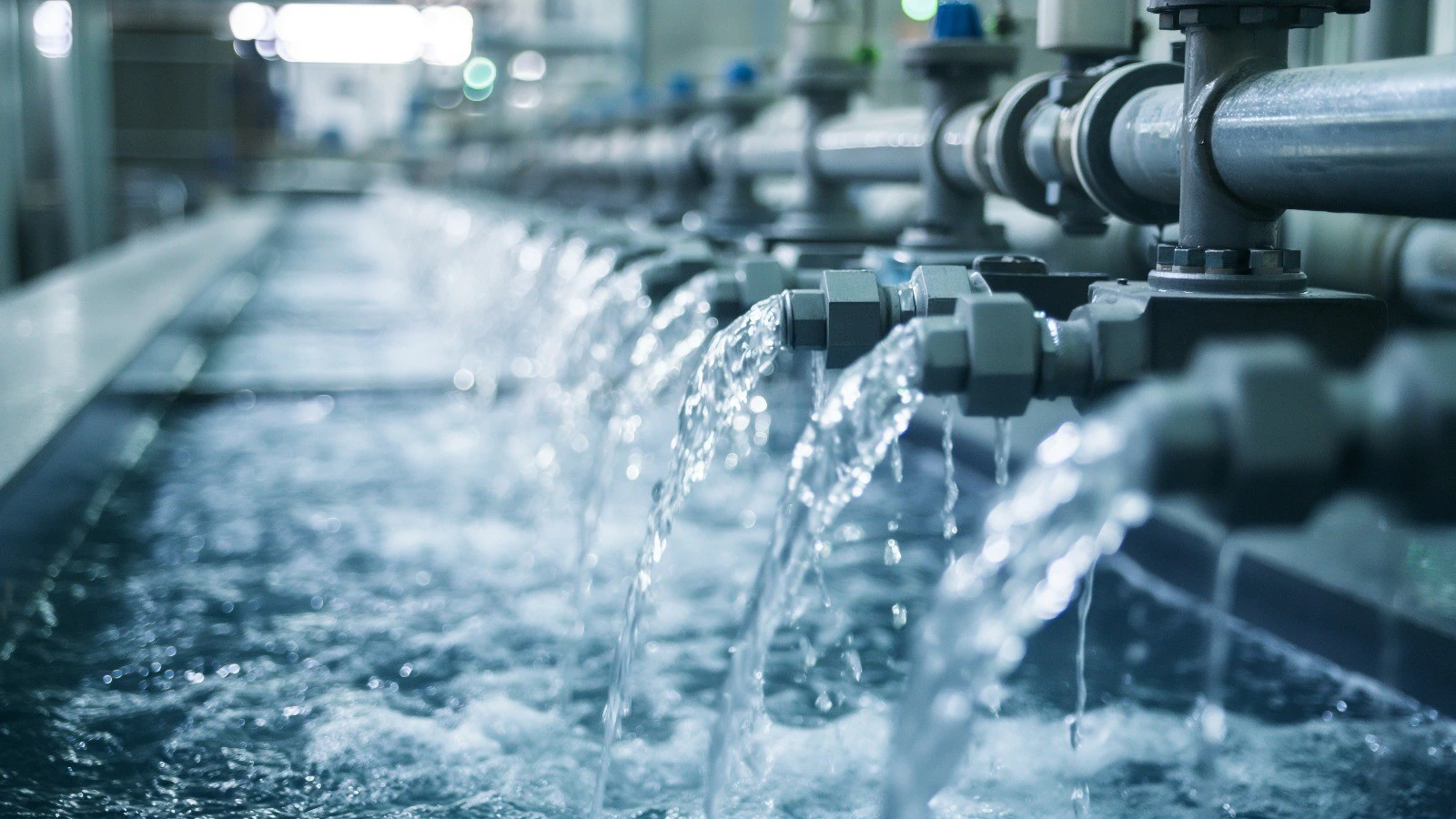
A water treatment system is one of those home investments you may not think about much—until it stops doing its job. When the water suddenly tastes strange, the shower pressure drops, or scale begins returning to the faucets, the inconvenience becomes obvious. Clean, comfortable water depends not only on choosing the right equipment but also…
A water treatment system is one of those home investments you may not think about much—until it stops doing its job. When the water suddenly tastes strange, the shower pressure drops, or scale begins returning to the faucets, the inconvenience becomes obvious. Clean, comfortable water depends not only on choosing the right equipment but also on taking care of it over time.
Like an air conditioner, water heater, or washing machine, a filtration or softening system needs attention to keep working properly. Regular inspections, timely filter changes, and professional service can help prevent small problems from becoming expensive repairs. For homeowners, the goal is simple: reliable water quality without constant surprises.
Why Water Treatment Maintenance Matters
Water treatment equipment works continuously, often processing hundreds of gallons each week. Filters collect sediment and contaminants, softeners remove hardness minerals, and pumps or valves operate through repeated cycles. Eventually, every component experiences wear.
Without proper care, a system may lose efficiency or fail to deliver the results it once provided. A clogged filter can reduce water pressure. An exhausted carbon cartridge may allow chlorine odors to return. A poorly maintained softener might leave hard-water scale on fixtures, even though the equipment appears to be running.
Routine care protects the system and helps homeowners get more value from their investment. It also makes it easier to identify unusual changes before they become major problems.
Responding Quickly When Something Goes Wrong
Some water treatment issues should not be ignored. A leaking connection, unusual motor noise, sudden loss of pressure, or strong odor may indicate a problem that needs professional attention. Delaying service can sometimes damage surrounding equipment or allow poor-quality water to continue flowing through the home.
When urgent issues occur, fast, reliable repairs can restore normal operation and reduce disruption. A qualified technician can inspect the system, identify the likely cause, and explain whether a repair, replacement part, or complete upgrade is necessary.
Homeowners can help speed up the process by sharing useful details before the appointment. Explain what changed, when the issue started, whether the problem affects the whole house, and if any recent plumbing work was completed. A short description can help the technician arrive prepared with the right tools and parts.
The Importance of Routine Maintenance
One of the easiest ways to protect a water treatment system is to follow a consistent maintenance schedule. Routine maintenance may include changing filters, checking connections, inspecting tanks, testing water quality, cleaning components, and reviewing system settings.
The exact schedule depends on the equipment and water source. A household using heavily mineralized well water may need more frequent attention than a home connected to a relatively clean municipal supply. Water usage also matters. A large family will generally put more demand on a system than a single-person household.
Manufacturers usually provide recommended replacement intervals, but those are only starting points. If water pressure drops earlier than expected or the taste changes, the filter may need attention sooner. Waiting for a scheduled date is not always the best approach when the system is showing warning signs.
Caring for Water Softeners
Water softeners are commonly used to reduce calcium and magnesium, the minerals responsible for hard-water scale. They can help protect water heaters, reduce buildup on fixtures, and make soaps and detergents work more effectively.
Most traditional softeners require salt to regenerate the resin that captures hardness minerals. Homeowners should check the brine tank regularly and avoid allowing it to become completely empty. At the same time, adding excessive salt without checking the tank can lead to bridging, where the salt forms a hard layer that prevents proper dissolving.
The tank should also be inspected for salt buildup, unusual odors, or water that appears stagnant. If the softener is regenerating too frequently, using too much salt, or failing to reduce hardness, the settings or internal components may need professional adjustment.
Why Salt Delivery Can Be Convenient
For households that rely on a salt-based softener, keeping salt available is part of normal system care. Large bags can be heavy and awkward to carry, especially when the equipment is located in a garage, utility room, or outdoor enclosure.
A scheduled salt delivery service can make this task easier. Instead of waiting until the tank is nearly empty, homeowners can arrange regular deliveries based on their household’s water consumption. This helps maintain a steady supply and reduces the chance of forgetting an important maintenance task.
Before choosing a delivery service, ask about delivery frequency, bag sizes, pricing, placement options, and whether the provider checks the brine tank. Some services simply drop off salt, while others may offer additional maintenance support. Knowing what is included helps avoid confusion later.
Replacing Filters at the Right Time
Filtration systems often rely on multiple filter stages, and each one has a different role. Sediment filters capture particles such as sand, dirt, and rust. Carbon filters can reduce chlorine, odors, and certain organic compounds. Reverse osmosis systems may also include a membrane and post-treatment filter.
A filter that looks clean from the outside may still be exhausted. Some contaminants are not visible, and waiting until the water smells bad is not a dependable maintenance strategy. Follow the manufacturer’s replacement guidance and pay attention to changes in taste, pressure, and flow.
When replacing a cartridge, make sure the new filter is compatible with the system. Incorrect sizing or installation can cause leaks and reduce performance. If the housing is difficult to open or the connection appears damaged, it is safer to ask a professional for help rather than forcing the component.
Signs Your System Needs Attention
Several warning signs may indicate that a water treatment system needs inspection:
- Water begins tasting or smelling different.
- White scale returns around faucets and showerheads.
- Water pressure becomes weaker than usual.
- The system makes unfamiliar noises.
- The softener uses salt unusually quickly.
- Filters require replacement more often than expected.
- Leaks appear around fittings, tanks, or hoses.
- The equipment displays an error or stops completing its normal cycle.
None of these signs should automatically lead to a full system replacement. Often, the cause is something relatively simple, such as a clogged filter, incorrect setting, worn seal, or blocked drain line. A proper inspection can help identify the most practical solution.
Professional Service Versus DIY Maintenance
Some tasks are suitable for homeowners. Checking salt levels, recording filter changes, inspecting for visible leaks, and keeping the equipment area clean are usually straightforward. However, electrical components, pressure-related issues, membrane replacement, resin servicing, and complicated valve repairs may require specialized knowledge.
Attempting an unfamiliar repair can damage the equipment or create a safety risk. Professional technicians have the tools and training to test the system properly and determine whether the issue is mechanical, electrical, or water-related.
It’s also helpful to keep service records. Note the date of filter changes, repairs, salt deliveries, and water tests. These records can reveal patterns and make future troubleshooting easier.
A Little Care Goes a Long Way
Water treatment systems are designed to make life easier, but they still need regular attention. Simple habits—checking supplies, replacing filters on time, watching for warning signs, and arranging professional inspections—can improve performance and extend equipment life.
The best maintenance plan is one that fits the home’s water quality and usage. Whether you rely on a softener, whole-house filter, reverse osmosis unit, or a combination of systems, consistent care helps ensure that clean, dependable water remains part of your daily routine.
A few minutes of attention now can prevent a much bigger headache later. And when professional help is needed, choosing a service provider that offers clear communication, dependable repairs, and ongoing support makes the entire experience far less stressful.