
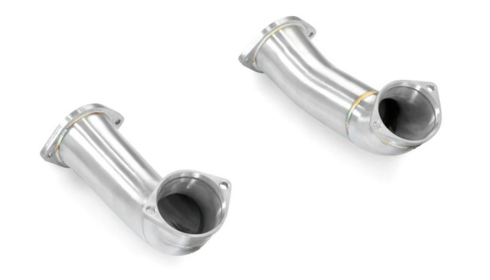
For BMW enthusiasts, performance isn’t just a feature — it’s part of the lifestyle. Whether you’re someone who enjoys spirited weekend drives or a driver looking to squeeze out every bit of efficiency and power, upgrading your exhaust components can make a world of difference. Among the most impactful modifications for modern BMW M cars are downpipe upgrades, especially for the latest M5 G90/G99 and the iconic M3 G80. These components don’t just enhance sound; they influence airflow, reduce restriction, and unlock deeper levels of performance that many stock parts simply cannot deliver.
Why Downpipes Matter for Modern M Cars
At the heart of any turbocharged BMW lies an exhaust system designed to balance emissions, noise regulations, and performance. Downpipes form one of the most important parts of this system, connecting the turbochargers to the rest of the exhaust. When upgraded, they help reduce backpressure, improve turbo spool, and deliver a more aggressive exhaust tone.
For high-powered platforms like the M5 and M3, even small improvements in exhaust flow can create noticeable gains in throttle response and mid-range torque. That’s why enthusiasts and tuners pay particular attention to downpipes when planning their first set of modifications.
Upgrading BMW M5 G90/G99 Secondary Downpipes
The latest BMW M5, represented by the G90 and G99 chassis, continues the M legacy with cutting-edge engineering. While the stock exhaust system is highly refined, its multiple catalytic stages and flow restrictors limit the engine’s true breathing potential. This is where upgraded bmw m5 g90 g99 secondary downpipes come into play.
Secondary downpipes replace the factory secondary catalytic converters with freer-flowing pipes designed for better exhaust velocity. The benefits include:
- Faster turbo spool
- Deeper, more pronounced exhaust note
- Enhanced horsepower and torque
- Improved throttle response
- Reduced exhaust temperatures
Because these downpipes are positioned after the primary catalytic converters, many aftermarket options maintain compatibility with emissions regulations in many regions — though buyers should always check local laws. For performance-focused builds, pairing secondary downpipes with a tune can yield impressive gains, turning the M5 into an even more aggressive powerhouse.
The Impact of BMW M3 G80 Downpipes
The BMW M3 G80 has become one of the most discussed and admired performance sedans on the market. Its S58 engine thrives on efficient airflow, making downpipe upgrades a popular and highly effective modification. Enthusiasts looking to unleash more character from their M3 often start with upgraded bmw m3 g80 downpipes due to their immediate and noticeable benefits.
Aftermarket downpipes for the G80 offer:
- Sharper exhaust tone with greater turbo clarity
- Better high-RPM pull
- Increased horsepower potential
- Smoother overall power delivery
Whether catted or catless, the right downpipe can transform how the M3 feels under acceleration. With tuning, the gains become even more pronounced, making it a top recommendation for owners who want to take their car beyond stock performance levels.
Which Option Is Right for You?
Choosing between downpipe setups often depends on your goals. For daily drivers looking for a balance of sound and reliability, high-quality catted downpipes are ideal. For track or performance builds, catless designs may unlock maximum gains — though they come with louder sound and regulatory considerations.
Both the M5 G90/G99 and M3 G80 platforms respond exceptionally well to improved exhaust flow. Whether you’re after a cleaner tone, more aggressive personality, or measurable performance gains, downpipes stand out as one of the most rewarding upgrades.