
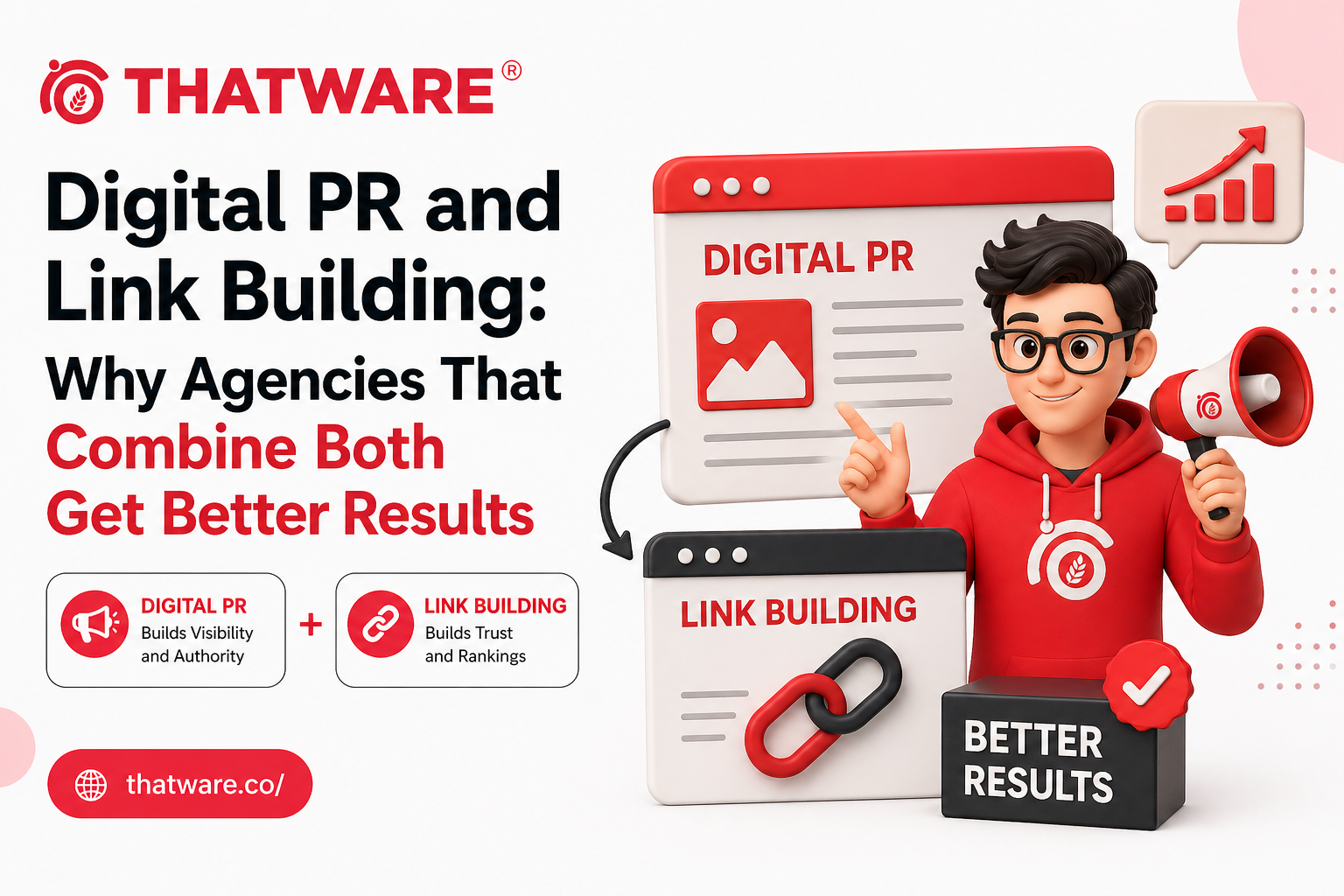
Link building has a reputation problem, and it earned it. Years of spam outreach, guest post farms, link exchanges, and barely-disguised paid placements have made a lot of marketers skeptical of the whole endeavor. And then there’s digital PR — earned media coverage, real editorial placements, brand mentions in publications with genuine audiences — which has always been treated as a separate discipline managed by a different team. The best backlink building agency work in 2026 has figured out what should have been obvious all along: these two things are better together. Agencies offering real authority backlinks service through the combination of PR methodology and SEO technical understanding are building the kind of link profiles that move rankings and don’t carry penalty risk.
Here’s why the integrated approach works better.
What Digital PR Actually Is (and Isn’t)
Digital PR, in its genuine form, is the practice of getting editorial coverage in real publications by giving journalists and editors something worth writing about. That might be original research that reveals something interesting about your industry, a creative campaign that earns coverage on its merits, expert commentary on a developing news story, or a product launch that’s actually newsworthy to the publications your audience reads.
The operative word is “editorial.” A genuine digital PR placement is one where a journalist or editor independently decided that your content or story was worth including. It’s not a paid placement disguised as editorial. It’s not a guest post submitted to a publication that accepts anything as long as the format is correct. It’s real editorial coverage that happens to include a link.
The distinction matters enormously for SEO. Google has gotten considerably better at identifying link patterns that don’t represent genuine editorial endorsements. Links from genuine editorial placements — where the publication decided independently to include you — carry far more authority signal than links from arrangements where the link was the primary motivation.
Where Traditional Link Building Falls Short
Traditional link building approaches — outreach to blog owners offering guest posts, resource page link requests, broken link replacement, scholarship link building — have varying quality profiles and a common limitation: they don’t scale to the most authoritative publications.
You can get a guest post on a mid-tier industry blog with a good pitch and a reasonably well-written article. You’re not getting an editorial mention in the Financial Times, TechCrunch, or a top-tier trade publication that way. Those placements require giving editorial teams something genuinely worth writing about — which is a PR competency, not a link building competency.
The authority ceiling on traditional link building is real. If your competitors have editorial placements in high-authority publications and you’re building links through guest posts and resource pages, the domain authority gap between you is unlikely to close.
Where Traditional PR Falls Short
PR agencies, conversely, are typically excellent at earning coverage and often poor at maximizing the SEO value of that coverage. Coverage that doesn’t include a link, links that point to the homepage rather than the relevant landing page, links that get noindexed for publisher reasons, placements in outlets with poor technical SEO — all of these are common outcomes when PR is managed without SEO context.
A PR team without SEO input will optimize for coverage metrics: number of placements, reach, estimated impressions. An integrated team optimizes for both: coverage quality and the SEO value delivered by each placement.
That means proactively requesting links where coverage doesn’t include them. It means ensuring links point to the strategically relevant destination, not just the homepage. It means monitoring publication technical health and prioritizing outlets where links will be crawled and counted. It means building relationships with publications in specific topic areas that correspond to target keyword clusters.
What Genuinely Integrated Campaigns Look Like
The best integrated digital PR and authority backlinks service campaigns start with content that’s worth covering. Original research is the gold standard: a commissioned survey on an industry topic, an analysis of proprietary data that reveals something genuinely interesting, a study that gives journalists numbers they can use in their coverage.
The campaign then combines PR outreach — pitching relevant journalists with a genuine story — and targeted link prospecting to identify the publications most likely to cover the story and most valuable from an SEO authority perspective. Follow-up processes are designed to convert coverage-without-links to coverage-with-links where possible.
The result is a link building program that earns placements in publications that traditional outreach couldn’t access, while maintaining the topical relevance and link destination control that traditional link building provides.
The agencies that have figured out how to combine these disciplines genuinely earn better results. The ones offering either in isolation are leaving significant opportunity on the table.