
How to Choose the Right Water Treatment Solution for Your Home
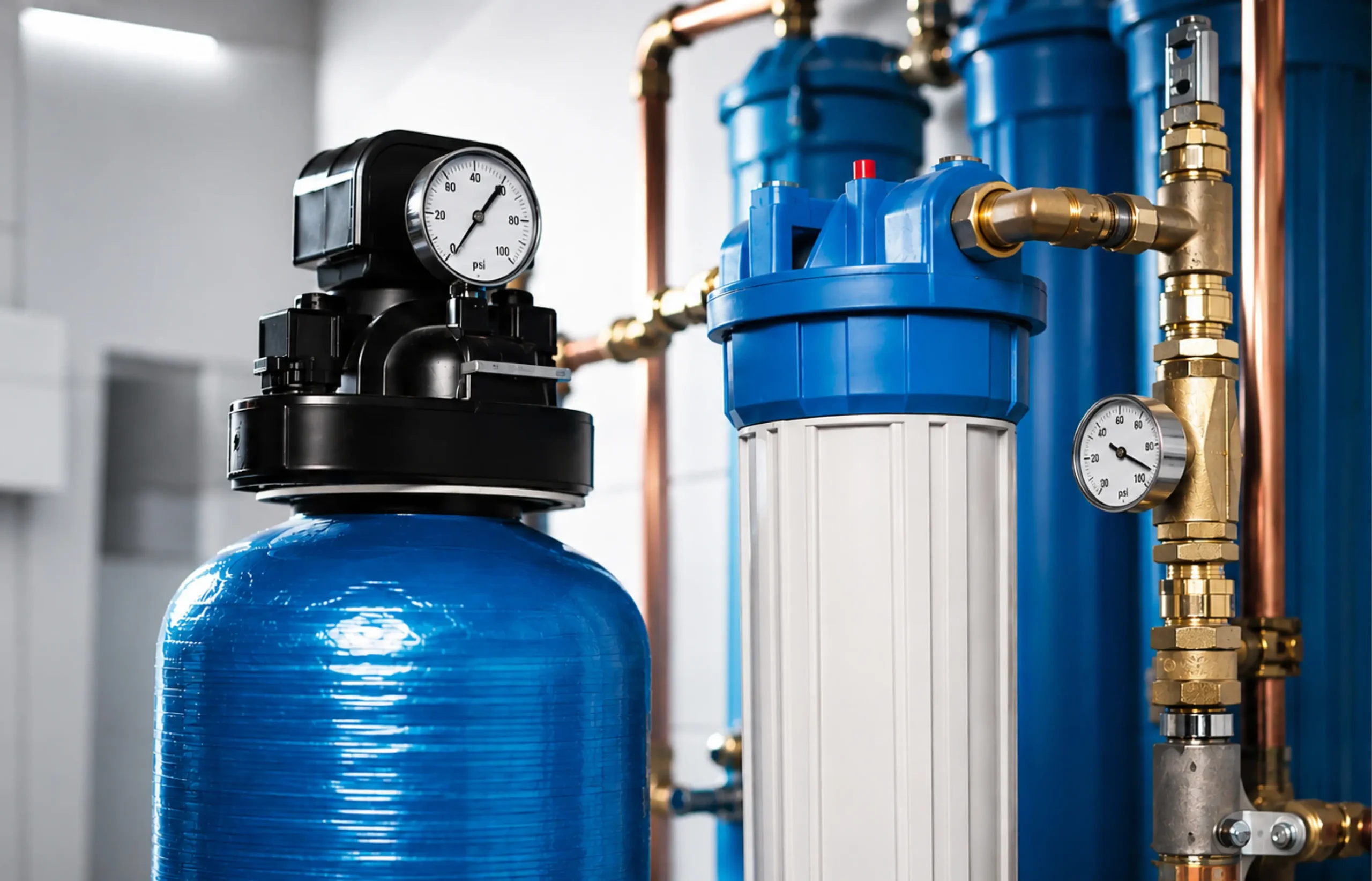
Most of us don’t think much about the water coming out of the tap until something changes. Perhaps the kettle starts collecting a chalky white layer, soap refuses to lather properly, or a glass of drinking water has an odd aftertaste. These everyday annoyances might seem minor, but they can tell you something about the…
Most of us don’t think much about the water coming out of the tap until something changes. Perhaps the kettle starts collecting a chalky white layer, soap refuses to lather properly, or a glass of drinking water has an odd aftertaste. These everyday annoyances might seem minor, but they can tell you something about the quality and characteristics of your household water.
Choosing the right treatment solution doesn’t have to be complicated. With a basic understanding of water quality, household plumbing, and available treatment technologies, you can find an option that suits your needs without spending money on equipment you don’t really need.
The trick is to understand the problem first. Not every home has the same water concerns, and a solution that works beautifully for one household may be unnecessary for another.
Understanding What Your Household Water Needs
Water quality varies depending on its source, local geology, treatment processes, and the condition of the pipes carrying it into your home. Municipal supplies are generally treated and monitored, but water can still pick up substances from older plumbing or develop an unpleasant taste during distribution. Private wells face different challenges, including naturally occurring minerals and potential contamination from nearby agricultural or industrial activities.
Start by noticing what happens when you use your water. White deposits on faucets and showerheads often indicate hard water. A swimming-pool-like smell may be associated with chlorine used during municipal treatment. Rust-colored staining can point to iron, although other causes are possible.
These clues are useful, but they aren’t a substitute for testing. Harmful contaminants such as lead or certain microorganisms may be present without changing the water’s appearance, taste, or smell. Reviewing your supplier’s water quality report or arranging laboratory testing can help you make a more informed decision.
Finding a Filtration Solution That Fits Your Lifestyle
A water filtration system can improve drinking water by reducing specific unwanted substances, but its effectiveness depends on the technology and the contaminants it is designed to address.
Activated carbon filters are a common choice for kitchens because they can reduce chlorine, certain organic compounds, and unpleasant tastes or odors. They’re available as countertop units, faucet-mounted filters, pitchers, and under-sink installations. For households mainly concerned about the taste of tap water, this type of filtration may be all that’s necessary.
Sediment filters serve a different purpose. They capture suspended particles such as sand, dirt, and rust, helping prevent debris from entering appliances or reaching other treatment stages. They’re particularly useful when water contains visible particles, although they won’t remove most dissolved chemicals or salts.
Reverse osmosis is another option for households with particular dissolved-contaminant concerns. These systems use a semipermeable membrane to reduce many dissolved substances, with performance depending on the model and its certification. They can be effective for certain applications, but they also require regular maintenance and may waste some incoming water during operation.
Before purchasing anything, check the manufacturer’s performance claims and independent certifications. A filter that reduces chlorine isn’t automatically suitable for lead, arsenic, or microbial contamination. Matching the technology to the actual problem makes all the difference.
When Hard Water Becomes a Household Problem
Hard water is common in many areas and often contains elevated concentrations of calcium and magnesium. These minerals aren’t usually a health concern at typical drinking-water levels, but they can create frustrating problems around the house.
You might notice cloudy glassware, stiff laundry, reduced soap lather, or stubborn scale around bathroom fittings. Over time, mineral deposits can also build up in water heaters and certain appliances, potentially affecting efficiency and increasing maintenance requirements.
Understanding your water softening needs starts with measuring water hardness rather than guessing based on the amount of scale you see. A hardness test can help determine whether treatment is worthwhile and whether the problem affects the entire property or only particular uses.
Traditional ion-exchange water softeners replace calcium and magnesium ions with sodium or potassium ions. They’re widely used to reduce hardness and help control scale formation. However, they don’t remove every contaminant, and they aren’t the same as drinking-water filters.
Some households may prefer a dedicated softener for general plumbing and a separate filter for drinking water. That combination can make sense when hardness and taste are separate concerns. If someone in the household needs to restrict sodium intake, it’s also worth discussing softened drinking water with a healthcare professional and considering suitable alternatives.
Choosing Between Whole-House and Under-Sink Systems
One decision that often causes confusion is whether to treat all the water entering the home or focus on a single tap. The answer depends on how the water will be used and where the concern exists.
A whole-house treatment setup is installed where water enters the property. Depending on its design, it may address sediment, hardness, iron, or other identified problems throughout the plumbing system. This approach can be useful when scale, staining, or water quality concerns affect multiple bathrooms, appliances, and fixtures.
An under-sink filter is more targeted. It treats water at one location, usually for drinking and cooking. These systems typically cost less to install than a comprehensive whole-house arrangement and may be easier to maintain.
Think about your daily routine. If the main issue is unpleasant-tasting drinking water, treating every shower and laundry tap may be unnecessary. If hard water is damaging fixtures throughout the house, a small kitchen filter won’t solve the wider problem.
Your home’s plumbing layout, available installation space, and maintenance budget should all influence the final decision.
Don’t Overlook Installation and Ongoing Maintenance
Even excellent equipment can disappoint when it’s installed incorrectly or neglected. Filters have limited service lives, and different cartridges need replacement at different intervals. Some systems also require periodic cleaning, sanitization, or professional inspection.
Before buying, look at the full cost of ownership. The initial price is only one part of the equation. Replacement cartridges, electricity, water usage, plumbing modifications, and service visits can add up over several years.
A properly maintained water system should operate according to the manufacturer’s instructions and deliver the treatment performance specified for its intended use. Keep track of cartridge changes and servicing dates, and pay attention to warning lights or changes in water flow.
If your home uses a private well, regular testing remains important even after treatment equipment is installed. Filters can reduce selected contaminants, but they don’t eliminate every possible risk. Periodic testing helps establish whether the treatment is still doing its job.
Professional installation is especially valuable when the treatment involves complex plumbing, unusual water chemistry, or contaminants that require precise handling.
Make the Decision With Confidence
There’s no single water treatment solution that suits every household. The right choice depends on your water source, test results, budget, plumbing arrangement, and the problems you’re actually trying to solve.
Begin with reliable water quality information. If necessary, arrange appropriate testing and use the results to compare treatment options. Check certifications, understand ongoing maintenance costs, and avoid products that promise to solve every water problem with one simple device.
Most importantly, don’t assume that more equipment means better water. A straightforward filter may be perfectly adequate for one home, while another may need a combination of filtration and softening.
When you understand your household’s needs, the decision becomes much easier. You can invest in equipment that serves a genuine purpose, maintain it properly, and enjoy greater confidence in the water you use every day. That’s a more sensible approach than buying the latest product simply because its packaging makes impressive promises.