Blog

  • DIY vs Professional Phone Repairs: Common Mistakes That Can Cost You More

    DIY vs Professional Phone Repairs: Common Mistakes That Can Cost You More

    With endless online DIY tutorials on mobile phone repairs, people attempt to fix up their damaged phones on their own. But it is recommended to trust your mobile repair professionals rather than attempting DIY. You may find it time and cost-saving, whereas a minor DIY mistake can lead to complete damage of the device. Without a basic understanding of the device or having any practical experience, it often leads to a wrong diagnosis of the issues. Just get your phone to reliable, experienced Warwick phone repairs professionals, who are the best service provider.

    Read this blog to know about DIY mistakes that can even cost you more.

    Overlooking The Real Problem

    Sometimes a dark screen issue is solved with screen replacement, but many times it can be due to faulty internal problems. Overlooking the real underlying problem cannot solve the problem, instead causing more damage to the device.

    Using the wrong tools while repairing

    Mobile phones are assembled from many small pieces of hardware, which are sensitive. Mishandling or using the wrong tools for such fragile parts can cause unexpected damage, which costs you more to repair.

    Inappropriate replacement of the parts

    The repercussions of buying fake or non-original online mobile parts can be severe. It can eventually lead to voiding your existing warranty period or even affect performance. Instead, opt for the Warwick phone repairs professional for original mobile phone parts.

    Finally, Safety risks

    Risks, such as electrical shocks or battery hazards, can lead to dangerous situations that cost you more than money.

    Hence, opting for a professional is always better, which comes with quality assurance and cost effectiveness too. Check out the Mobile Phone Repair Coventry website to find the best mobile phone repairs in your location.

  • What is the best website builder for beginners?

    What is the best website builder for beginners?

    The question itself reveals a common misconception. Most “beginner” recommendations focus on drag-and-drop simplicity, template variety, and extensive tutorials – as if the primary challenge is learning how to build websites. But here’s what most beginners actually need: a way to test their business idea quickly without getting overwhelmed in website creation complexity.

    The real beginner’s dilemma is having a business concept that needs market validation but being blocked by the perceived need for a “professional website” before launching. This backwards approach kills more promising business ideas than market competition ever will.

    Why Speed Matters More Than Features for New Entrepreneurs

    Most beginning entrepreneurs suffer from the same trap: they believe they need full feature websites before they can start testing their business ideas. This perfectionist approach wastes months on website development when they should be validating whether customers actually want what they’re offering.

    The most successful business launches happen when entrepreneurs can get their core value proposition in front of potential customers immediately. This requires tools designed specifically for rapid idea testing rather than comprehensive business websites. A quality website builder for launching an idea allows beginners to create focused landing pages that validate market demand without getting distracted by complex features they don’t yet need.

    The speed advantage compounds quickly. While traditional website builders require weeks of learning curves, template customization, and feature configuration, purpose-built solutions can have beginners operational within hours. This means testing multiple business concepts, gathering real customer feedback, and iterating based on actual market response rather than theoretical planning.

    Smart beginners recognize that their first online presence isn’t their final online presence. They prioritize getting customer feedback over perfecting design elements, and they choose platforms that enable rapid changes based on what they learn from real user interactions.

    The Real Cost of Complexity

    Traditional website builders marketed to “beginners” often create analysis paralysis through overwhelming choice. Hundreds of templates, dozens of features, and extensive customization options sound appealing but actually slow down the most important beginner activity: testing whether their business idea has market viability.

    According to research from CB Insights, 42% of startups fail because there is no market need for their products or services, while only 18% fail due to pricing or technical issues. This data reinforces that entrepreneurs who spend excessive time perfecting their technology or website before validating market demand are focusing on the wrong priorities during the critical early stages.

    The hidden costs extend beyond time investment. Complex platforms often require ongoing maintenance, regular updates, and technical troubleshooting that pulls focus away from business development. Beginners frequently find themselves becoming amateur web developers instead of focusing on their actual business concepts.

    More importantly, feature-heavy platforms encourage entrepreneurs to solve problems they don’t yet have. They spend time configuring e-commerce systems before confirming anyone wants to buy, setting up complex navigation for content they haven’t created, and optimizing for search traffic when they should be driving social media engagement.

    Smart Beginner Strategy

    The most effective approach for beginners involves starting with the simplest viable solution that allows immediate market testing. This means choosing platforms that prioritize speed of deployment over comprehensive functionality, enabling rapid iteration based on real customer feedback rather than extensive pre-launch planning.

    This strategy aligns with proven lean startup methodology: build minimal viable products, test with real customers, and iterate based on actual market response. Your first website should be a testing tool, not a comprehensive business solution.

    The goal isn’t to create the perfect website immediately – it’s to validate whether your business concept resonates with potential customers. Sometimes a simple landing page that clearly communicates your value proposition will outperform elaborate websites that confuse visitors with too many options.

    Smart beginners also recognize that their business model will likely evolve based on customer feedback. Choosing flexible platforms that allow quick changes costs less and delivers better results than investing heavily in comprehensive solutions that may need complete overhauls after market validation.

    Your business idea is more important than your website sophistication. The best website builder for beginners is the one that gets out of your way and lets you focus on the most critical beginner task: discovering whether customers actually want what you’re planning to offer. Start simple, test quickly, and build complexity only after you’ve confirmed market demand.

  • Why Commercial HVAC Matters For Sustainable Infrastructure

    Why Commercial HVAC Matters For Sustainable Infrastructure

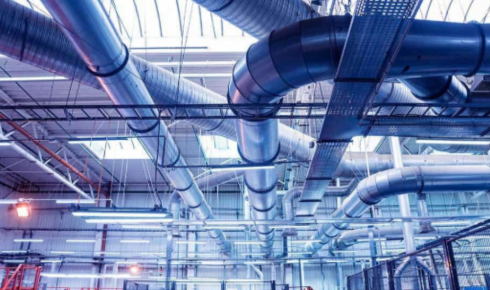
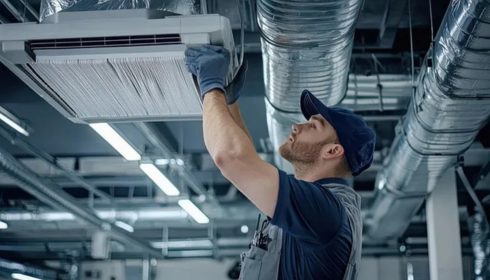
    Sustainable infrastructure is no longer a luxury—it’s a necessity. Buildings today consume significant energy, and inefficient systems contribute to environmental strain. One of the most overlooked yet essential components of sustainable building design is climate control. Effective heating, ventilation, and air conditioning systems not only provide comfort but also play a critical role in energy efficiency and environmental responsibility. Among these systems, commercial HVAC solutions stand out as a key driver of sustainable practices in modern infrastructure.

    Energy Efficiency in Modern Buildings

    Energy consumption is a major concern for any commercial building. With advanced technology, commercial HVAC systems can optimize energy use while maintaining comfort. Smart thermostats, variable speed motors, and energy recovery systems all reduce waste and lower utility costs. Efficient energy management reduces a building’s carbon footprint and supports long-term sustainability goals. Commercial HVAC systems are a cornerstone of this approach, making them indispensable for eco-conscious design.

    Integration With Renewable Energy

    Commercial HVAC systems can integrate seamlessly with renewable energy sources such as solar and geothermal power. By harnessing these sustainable resources, buildings reduce reliance on fossil fuels. This integration allows heating and cooling to operate with minimal environmental impact. Incorporating commercial HVAC solutions into renewable infrastructure ensures that energy efficiency is maximized while maintaining optimal indoor conditions.

    Indoor Air Quality and Health

    Maintaining healthy indoor air is more than just comfort—it’s a sustainability issue. Poor air quality leads to illness, reduced productivity, and increased healthcare costs. Modern commercial HVAC systems include advanced filtration, humidity control, and ventilation strategies to promote clean air. By ensuring a healthy environment, these systems contribute to sustainable human resources and long-term operational efficiency.

    Smart Controls and Automation

    Commercial HVAC systems increasingly rely on smart controls and building automation. Sensors and AI-driven algorithms monitor occupancy, weather, and energy use in real time. Automated adjustments optimize performance, prevent energy waste, and extend system life. These smart solutions illustrate how commercial HVAC technology is evolving to support sustainable infrastructure while reducing operational costs.

    Maintenance Practices for Longevity

    Even the most advanced HVAC systems require regular maintenance. Proactive servicing ensures that equipment runs efficiently and avoids unnecessary energy loss. Proper upkeep reduces the need for premature replacements, conserving materials and minimizing environmental impact. Incorporating maintenance protocols into commercial HVAC planning reinforces the sustainability of the overall infrastructure.

    Economic Benefits of Sustainable HVAC

    Investing in commercial HVAC solutions goes beyond environmental benefits—it also delivers economic returns. Energy-efficient systems reduce utility bills, lower operational expenses, and increase property value. Companies adopting sustainable infrastructure often see improved employee satisfaction and retention. The commercial HVAC systems, therefore, offer a dual advantage: ecological responsibility paired with financial prudence.

    Conclusion

    Commercial HVAC systems are central to creating sustainable, efficient, and healthy buildings. From energy efficiency and renewable integration to indoor air quality and smart automation, these systems touch nearly every aspect of modern infrastructure. By prioritizing commercial HVAC in building design and maintenance, architects and facility managers can achieve both environmental and economic goals. Sustainable infrastructure isn’t just about construction—it’s about the systems that power and protect it, and commercial HVAC stands at the heart of that mission.

  • Why Replacing or Repairing Windows in Dallas Is More Than Just a Home Upgrade

    Why Replacing or Repairing Windows in Dallas Is More Than Just a Home Upgrade

    If you’ve lived in Dallas for any length of time, you know how much our homes go through. Blazing summers, sudden thunderstorms, occasional cold snaps—it’s a lot for any house to handle. And while most people talk about roofs or HVAC systems, there’s another piece of the puzzle that often gets overlooked: your windows. They don’t just let in the sunlight. They shape how comfortable your home feels, how much you spend on energy bills, and even how you see the world outside.

    When Windows Start Telling You Something’s Wrong

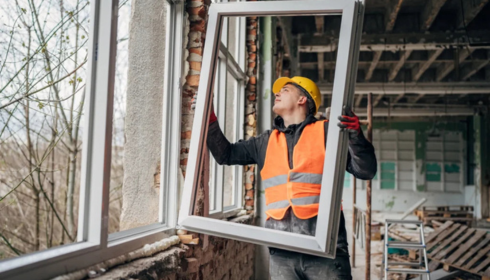
    Windows have a way of speaking up when they’re tired. Maybe you’ve noticed a draft near the living room couch, or the glass fogs up no matter how often you wipe it. Sometimes, it’s more obvious—cracks that let in leaks when the rain comes down hard, or frames that creak every time you try to open them. Dallas weather isn’t exactly gentle, and over the years it can warp and weaken older frames faster than you’d expect.

    That’s usually when homeowners start thinking about window replacement dallas, not as a luxury, but as a necessity. New windows don’t just look fresh and modern; they also seal better, improve energy efficiency, and cut down on the endless battle with outside noise (which, if you’re anywhere near a busy Dallas street, is a blessing in itself).

    Repair Before You Replace

    Of course, not every window issue requires a full replacement. Sometimes it’s just a matter of giving your existing windows a bit of care. Maybe the seal is worn out, or the lock doesn’t click the way it used to. Those are things that can often be fixed without pulling out the entire frame.

    Local contractors have gotten good at tailoring solutions to the problem rather than just pushing for an expensive replacement every time. If you’re dealing with cracked putty, minor wood rot, or a pane that doesn’t quite sit right, you might be better off considering window repair dallas first. Not only can it save you money, but it also extends the life of your windows until a bigger overhaul really makes sense.

    The Hidden Cost of Ignoring Window Issues

    It’s easy to shrug off a draft or a rattle when you close the shutters at night, but little problems add up. An old or damaged window is one of the fastest ways for your energy bills to climb without you realizing it. Heat slips out in winter, and in summer, cool air leaks away while your AC works overtime.

    Over time, that’s not just an energy cost—it’s also a comfort cost. A home that never quite feels cozy no matter how high the heat or low the thermostat is set takes a toll on your daily life. And in a city like Dallas, where extreme temperatures swing in both directions, ignoring your windows can turn into an expensive mistake.

    Glass That Breaks the Flow

    Another thing many people don’t think about until it happens: damaged glass. Whether it’s from a stray baseball, a storm, or just age, broken or cracked panes don’t just look bad—they compromise safety and insulation. That’s when you’ll find yourself searching for reliable glass repair dallas services.

    The good news is that repairing or replacing a pane doesn’t always mean dismantling the entire window. Professionals can often swap out the glass itself, restoring clarity and safety without the bigger job of frame replacement. It’s one of those repairs that can dramatically improve the look and function of your home with minimal hassle.

    Style and Resale Value

    Beyond the practical side, there’s something to be said about the aesthetics of new or well-maintained windows. They’re one of the first things people notice about a home, even if they don’t realize it. Fresh, clean windows with sturdy frames give the entire property a polished look. And if you’re thinking about selling your house in the Dallas market, those small details can influence a buyer’s first impression more than you’d think.

    In fact, real estate agents often mention updated windows as a selling point because buyers see them as one less thing they’ll have to worry about after moving in. It’s not glamorous, but it’s peace of mind—and that can tip the scales in your favor.

    Choosing the Right Help

    Like most home projects, the hardest part isn’t always deciding you need work done; it’s finding the right people to do it. Dallas has no shortage of contractors, but not all are created equal. Look for companies with solid reviews, clear pricing, and a willingness to actually assess your situation before making recommendations.

    Beware of anyone who pushes replacements immediately without checking if repairs could solve the issue. The best professionals are the ones who give you options and help you weigh the pros and cons for your specific home.

    Final Thoughts

    Windows aren’t something we think about every day—until they stop doing their job. Whether it’s repairing a crack, replacing old frames, or fixing broken glass, paying attention to your windows can save you money, add comfort to your home, and even boost its value.

  • Breathing Easier at Home: Why Airflow and Efficiency Matter in Phoenix

    Breathing Easier at Home: Why Airflow and Efficiency Matter in Phoenix

    Phoenix has its own rhythm. Mornings bring a little calm before the sun climbs high, afternoons weigh heavy with heat, and evenings often glow with those famous desert sunsets. But in between all that beauty is the constant challenge of keeping homes comfortable. Air conditioning here isn’t a bonus—it’s survival. And while most people think about the big box outside or the thermostat on the wall, the truth is, your comfort often comes down to smaller, less glamorous details. Airflow, ducts, and efficiency aren’t the most exciting topics, but they’re the quiet heroes of daily life in the desert.


    The Hidden World in Your Ducts

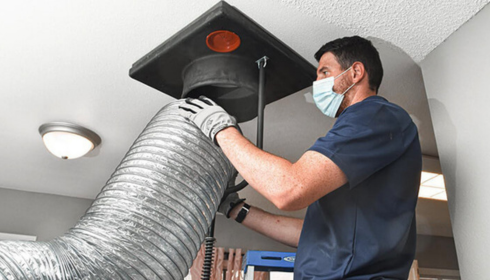
    Out of sight, out of mind—that’s how most people treat their air ducts. But over time, dust, allergens, and even bits of debris collect inside them, choking airflow and spreading stuff you’d rather not breathe. I once visited a friend whose house always felt dusty no matter how often she cleaned. Turned out her ducts hadn’t been serviced in more than a decade. A simple air duct cleaning phoenix appointment not only improved her indoor air quality but made the house feel instantly fresher. Sometimes, comfort begins with what you don’t see.


    Why Airflow Matters

    Air conditioning isn’t just about cold air—it’s about moving that air efficiently through your home. Poor airflow leads to hot spots, weak circulation, and systems working harder than they should. Ever notice one room feels icy while another barely cools? That’s often a clue something deeper is wrong. Professional hvac airflow repair can uncover issues with ducts, fans, or vents that you’d never spot on your own. It’s like unclogging the arteries of your house—suddenly, everything flows better.


    Chasing Efficiency in the Desert

    Utility bills in Phoenix during summer can feel like a second mortgage. And while we can’t escape the relentless heat, we can make smarter choices about how we cool our homes. Simple steps—like sealing leaks, scheduling maintenance, and replacing old filters—add up. Many homeowners don’t realize just how much they can save when they focus on ways to improve ac efficiency. It’s not about being stingy with comfort; it’s about making sure every dollar you spend on cooling actually counts.


    The Clues Before the Crash

    Most problems don’t happen overnight. Your AC system whispers before it screams. Maybe the air feels weaker, or your energy bills quietly climb. Sometimes it’s a smell—dusty, musty, or metallic—that hits when the unit kicks on. These subtle signs are your early warnings. Ignoring them often turns a small fix into a major repair. In Phoenix, waiting too long isn’t just inconvenient—it can be dangerous when summer peaks at triple digits.


    More Than Just Temperature

    Cooling systems affect more than how hot or cold your house feels. They influence air quality, humidity levels, even how well you sleep at night. I’ve seen families struggling with allergies or constant dust, only to discover their AC wasn’t circulating air properly. After a tune-up and duct cleaning, it wasn’t just the temperature that changed—it was the overall feel of their home. Sometimes, “comfortable” means more than cool air. It means cleaner, healthier air too.


    The Emotional Side of Cooling

    We don’t often talk about the emotional weight of broken cooling systems. But anyone who’s lived through it knows the toll. A hot house frays tempers, ruins sleep, and turns even simple chores into sweat-soaked battles. I remember one neighbor describing the first blast of cold air after a repair as “pure happiness.” That moment—when the vents hum again and the air feels crisp—isn’t just about mechanics. It’s relief, sanity, and the return of normal life.


    Why Professional Help Pays Off

    There’s always the temptation to DIY. A quick YouTube video, a filter swap, maybe even poking around vents with a flashlight. And sure, some of those steps help. But when airflow stalls or bills soar, professional help is worth every penny. Experienced technicians don’t just patch symptoms—they find root causes. Maybe it’s leaky ducts, maybe it’s a failing blower fan, or maybe your system’s just due for an upgrade. A solid inspection saves time, money, and plenty of frustration.


    Balancing Costs and Comfort

    Nobody loves repair bills, and replacements can feel overwhelming. But in Phoenix, perspective shifts quickly. A working AC isn’t optional; it’s as essential as running water or electricity. Spending money to keep systems efficient isn’t just about comfort—it’s about health and safety. The key is knowing when to repair, when to maintain, and when to finally replace. The right company won’t just sell you the most expensive option—they’ll help you make decisions that balance long-term value with immediate comfort.


    Maintenance Is Still King

    It’s not glamorous, but it’s the truth: routine maintenance keeps homes comfortable. Changing filters every few months, scheduling tune-ups before summer hits, and checking ducts periodically all make a difference. In Phoenix, where systems run nearly year-round, those small habits are what keep your home cool when the desert heat is at its worst. Think of maintenance as a quiet insurance policy for your comfort.


    Wrapping Up: Making Phoenix Living Comfortable

    The desert isn’t going to change. Summers will stay scorching, dust storms will keep rolling in, and utility bills will always demand attention. But inside your home, you have some control. Cleaning ducts, repairing airflow, and improving efficiency may not sound thrilling, but they’re the behind-the-scenes steps that make everyday life better.

    Because at the end of the day, air conditioning isn’t just about machines and vents—it’s about families sleeping soundly, kids playing without sweating through their clothes, and the simple joy of walking into a cool, clean home after being out in the heat. And in Phoenix, that’s not just comfort. That’s survival.

  • Why a Smarter Thermostat Could Change the Way You Live at Home

    Why a Smarter Thermostat Could Change the Way You Live at Home

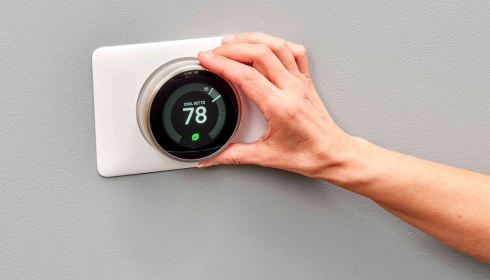
    Walk into any modern home and you’ll notice the little details that make life easier. The quiet hum of an efficient HVAC system, lights that dim themselves at bedtime, maybe even blinds that know when to open in the morning. But often, it’s the thermostat on the wall — that modest rectangle with glowing numbers — that really sets the tone for comfort. Most people don’t think much about it until the house feels too hot or way too cold. Yet, this small device is becoming the unsung hero of home energy management.

    The Shift Toward Smart Comfort

    For decades, thermostats were basic: a dial, a slider, or maybe a button or two. They got the job done, but that was about it. Now, thermostats have evolved into sleek, intuitive devices that can “learn” your preferences, save energy, and even send alerts to your phone. That’s where smart thermostat installation steps into the spotlight. It’s not just about upgrading a gadget; it’s about upgrading your entire relationship with comfort and efficiency.

    Think of it this way: instead of remembering to turn down the heat before leaving for work, your thermostat can detect when you’re gone and do it for you. Instead of waking up to a cold house in January, you can schedule it to warm up fifteen minutes before your alarm goes off. Suddenly, that little box on the wall starts to feel like a personal assistant — one that cares about both your comfort and your energy bill.

    Energy Bills and Everyday Life

    Here’s the kicker: heating and cooling eat up a huge portion of household energy costs. Many families don’t realize that inefficient scheduling or outdated thermostats are quietly draining their wallets. That’s why people are willing to invest in technology that reduces waste. And the savings aren’t just numbers on a bill; they’re peace of mind. It feels good knowing you’re using energy responsibly while keeping your home comfortable.

    But it’s not all about cost. There’s also the simple human side of wanting life to run smoothly. Walking into a perfectly cooled home after a summer commute is priceless. Having the house cozy on a freezing night without fiddling with buttons in the dark? Even better.

    When Things Go Wrong

    Of course, not every thermostat story is smooth sailing. Sometimes they break down, sometimes they misread the temperature, and sometimes they just quit on you. If you’ve ever sat there pressing buttons with nothing happening, you know the frustration. That’s when thermostat repair comes into play. A quick fix can often bring things back to life, whether it’s replacing a worn-out sensor, recalibrating settings, or simply cleaning dust out of the unit.

    Ignoring a malfunctioning thermostat can snowball into bigger problems. An HVAC system relies on accurate signals, and if the “brain” isn’t sending the right commands, your furnace or AC may run endlessly or not at all. That means wasted energy, uneven temperatures, or in the worst cases, damage to the system itself. Repairing or replacing a faulty thermostat quickly isn’t just maintenance — it’s protecting the heart of your home’s comfort system.

    The Rise of Integrated Controls

    What’s truly fascinating is how thermostats are no longer standalone gadgets. They’re becoming part of a bigger ecosystem of home automation. This is where hvac controls take center stage. These systems coordinate heating, cooling, ventilation, and sometimes even humidity, turning your home into a finely tuned environment.

    Imagine your thermostat working hand-in-hand with smart vents, sensors in different rooms, and even weather forecasts pulled from the internet. Instead of heating the whole house when you’re only using the living room, the system directs warm air exactly where you need it. That’s not just efficiency; that’s personalization. It feels like your house actually understands you.

    A Balance Between Tech and Lifestyle

    Now, here’s the thing: not everyone wants a gadget-laden home. Some folks prefer the simplicity of walking up to the wall and turning a dial. And that’s perfectly fine. The beauty of today’s thermostat technology is that it doesn’t have to feel intrusive. You can engage with the features as much or as little as you like. Set it up once and forget it, or dive into the app every day to tweak the schedule — the choice is yours.

    What really matters is that the technology adapts to your life, not the other way around. A busy parent might appreciate the hands-off automation. A tech enthusiast might love digging into data about daily energy use. The end result is the same: comfort that feels natural and effortless.

    Looking Ahead

    If the past few years have shown us anything, it’s that homes are becoming smarter, greener, and more responsive to the people who live in them. Thermostats are a surprisingly central part of that shift. With the rise of AI, predictive analytics, and even integration with renewable energy systems, the humble thermostat may soon become a real hub of home energy strategy.

    Picture this: solar panels on your roof powering your HVAC, while your thermostat decides the best time to run based on electricity rates and weather conditions. It sounds futuristic, but it’s not far off. The thermostat is already proving itself as a bridge between technology and human comfort.

    Final Thoughts

    At the end of the day, most people don’t geek out over thermostats — and they shouldn’t have to. Comfort at home should feel effortless. Whether it’s through smarter installation, quick repairs, or advanced control systems, the goal is simple: a living space that feels just right, without you constantly having to think about it.

    So next time you glance at that small rectangle on the wall, give it a little credit. It’s working quietly behind the scenes, balancing energy, comfort, and convenience. And in many ways, it’s redefining what it means to feel truly at home.

  • Finding Comfort at Home: Why Good AC Installation Makes All the Difference

    Finding Comfort at Home: Why Good AC Installation Makes All the Difference

    There’s something quietly life-changing about walking into a cool, crisp room on a scorching summer day. It’s one of those small luxuries we don’t think too much about until the moment we don’t have it. I’ve seen it happen to friends—moving into a new place, deciding to skimp on professional help, and then battling uneven temperatures and constant breakdowns just because the system wasn’t installed right. That’s why AC installation isn’t just about putting a machine in place; it’s about setting up comfort, efficiency, and peace of mind for years to come.

    The Not-So-Glamorous Truth About DIY

    Let’s be honest. We all love the idea of saving a little money with a DIY project. Painting a wall? Sure. Putting together a coffee table? Go for it. But installing an air conditioning system? That’s a different story. There are electrical connections, ductwork, refrigerant levels, and safety codes to think about. One wrong move and you’re looking at sky-high energy bills or worse, a system that quits in the middle of July. That’s why pros exist—and why cutting corners here often costs more in the long run.

    How Local Help Changes the Game

    The good news is, finding reliable technicians isn’t as hard as it used to be. A quick search for something like air conditioner installation near me usually brings up a list of licensed professionals who know the ins and outs of your area’s climate demands. Local pros understand whether your home needs extra insulation tweaks, how humidity plays into performance, and even what size system is most practical for your square footage. It’s not just about installing a unit—it’s about tailoring it to fit your actual lifestyle.

    Comfort Is About More Than Just Cool Air

    People often think air conditioning is just about lowering the temperature, but it goes deeper. A properly installed system balances airflow so one room doesn’t feel like the Arctic while another feels like a desert. It filters out dust and allergens, making your air cleaner. And if energy efficiency is on your radar (and let’s face it, with bills climbing, it should be), installation quality directly affects how hard your system works. A pro knows how to seal ducts, calibrate thermostats, and fine-tune settings so you’re not overpaying for mediocre performance.

    The Case for Central Systems

    If you’ve been juggling window units or portable ACs, stepping into a whole-home setup can feel like switching from dial-up internet to fiber optic. Central air delivers even cooling throughout the house and adds long-term value to your property. But here’s the kicker: it’s only as good as the crew putting it in. That’s why so many homeowners turn to central AC installation services when they’re ready to make the leap. It’s not just the heavy lifting—it’s the careful planning, the precise ductwork, the quiet details that make the system work seamlessly instead of becoming a headache.

    Stories That Stick

    I remember visiting a cousin last year. She had just moved into a home with an older AC unit that had clearly seen better days. For weeks, she tried to stretch its life—more repairs, frequent tune-ups, even running box fans in every corner of the house. Eventually, she bit the bullet and hired a professional team for a new system. The difference? Night and day. Not just in temperature but in how much calmer she felt, knowing she could rely on her home’s comfort instead of constantly worrying about the next breakdown. It was one of those “why didn’t I do this sooner?” moments.

    What to Look for in a Good Installer

    If you’re considering new installation, it helps to know what separates a great technician from a passable one. Look for licensing, insurance, and customer reviews that talk about punctuality and professionalism. Ask about warranties—not just on the equipment but also on the labor. A good installer will happily walk you through your options instead of rushing you into the priciest system. They’ll measure your home, talk about your usage habits, and give recommendations that actually make sense for you, not just their bottom line.

    Thinking Beyond the First Day

    Installation isn’t a one-and-done event. A quality installer will set you up for long-term maintenance too—reminding you about filter changes, offering seasonal tune-ups, and being available if you ever notice odd noises or uneven cooling. It’s like building a relationship with your mechanic; having someone you trust to call when things go sideways takes away so much stress.

    Wrapping It Up

    At the end of the day, your AC system is more than a machine. It’s a silent partner in your daily comfort, making sure your home feels like a retreat no matter what’s happening outside. Getting it installed properly means fewer worries, cleaner air, lower bills, and maybe even a higher home value down the road. So while it might be tempting to cut corners or delay the decision, investing in professional installation is one of those choices that pays you back every single day you come home to a space that just feels right.

  • The Lasting Beauty and Security of Iron Doors for Modern Homes

    The Lasting Beauty and Security of Iron Doors for Modern Homes

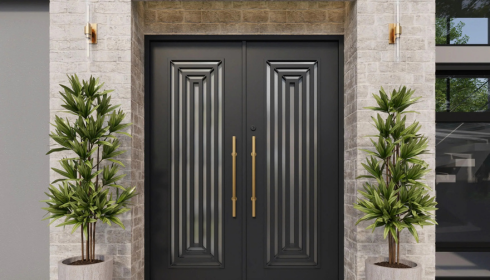
    There’s something timeless about the first impression of a house. Long before someone notices your furniture, your wall art, or the cozy throw on the couch, they notice your front door. And while wood and fiberglass still get plenty of attention in the market, iron doors are quietly (and steadily) winning hearts. They’re not only about strength—though that’s certainly a big part of the story—they’re also about elegance, character, and a sense of permanence.

    Iron doors carry a presence. They look solid, feel solid, and yet can be incredibly graceful in their design. That mix of artistry and durability makes them stand apart from the crowd. They’re not for people who want something temporary. They’re for homeowners who want their entryway to make a statement—one that lasts.


    Why Iron Doors Are More Than Just an Entrance

    When you think about it, the door is more than just a physical barrier; it’s a symbol of welcome and protection. With iron doors, both of those meanings become stronger. The heavy gauge steel, intricate scrollwork, and modern glass accents all work together to strike a balance between openness and security.

    Iron doors also stand up to years of wear in a way that other materials struggle to match. Wood may warp, fiberglass can scratch, but iron keeps its shape and holds its ground through seasons of sun, rain, and snow. It’s one of the few choices that checks all the boxes: strength, style, and low maintenance.

    For homeowners who want to shop for iron doors, the experience is often a pleasant surprise. Many assume these doors are out of reach, reserved for mansions or sprawling estates. The reality? A growing number of suppliers are offering a wide variety of designs at accessible price points.


    A Look at the Practical Side

    Let’s step away from the romance of design for a moment and talk practicality. Iron doors aren’t just about looks—they’re about performance. Good-quality models are insulated, which means they help regulate your home’s temperature, keeping the heat inside during the winter and blocking it during the summer.

    They also increase property value. Realtors often mention the power of curb appeal, and a strong, stylish front door is one of the first things prospective buyers will notice. Even if you’re not planning to sell your home anytime soon, there’s comfort in knowing that your investment today could pay off later.

    And the convenience factor? Many companies now carry in-stock iron doors, so you don’t always have to wait for weeks on end for a custom order to be fabricated and shipped. That means you can transform the look of your home much faster than you might expect.


    The Security Factor People Don’t Talk About Enough

    If we’re honest, most people want an iron door for two reasons: it looks amazing, and it feels safe. And let’s be clear—it is safe. Iron is incredibly difficult to breach, especially when paired with modern locking mechanisms.

    In neighborhoods where security is a real concern, homeowners often find peace of mind by installing residential iron security doors. They provide an extra layer of protection without turning the home into a fortress. The key is in the design: sleek, elegant lines that don’t scream “industrial” but still deliver strength when it matters most.

    Security doesn’t have to be unattractive, and iron doors prove that. You can protect your family while still keeping your home stylish and inviting.


    Iron Doors Beyond the Front Entrance

    One of the trends picking up steam is using iron doors in places beyond the main entrance. Think about a set of French-style iron doors opening onto a patio, or slim iron-framed doors dividing interior spaces like a dining room and living room. The same mix of strength and style applies indoors too, and it can instantly elevate the feeling of a space.

    These designs often feature larger glass panes framed with slim iron, allowing natural light to flood the home while maintaining that unmistakable sturdiness. It’s a look that’s modern but not cold—industrial with a touch of warmth.


    Choosing the Right Door for You

    Picking the right iron door doesn’t have to be overwhelming. Start by considering the architecture of your home. A Mediterranean-style villa might call for ornate scrollwork, while a sleek urban home may look best with minimalist, straight-line designs.

    Size also matters. Double iron doors create drama and a grand entrance, while single doors with sidelights can achieve a balanced, welcoming look without overwhelming the facade. Glass options are another key detail—clear, frosted, or textured panes all change the character of the door dramatically.

    And don’t forget about finishes. From matte black to rustic bronze, the color of the door can either contrast or complement the rest of your exterior.


    Final Thoughts

    Iron doors aren’t a trend—they’re a commitment to quality. They represent the blend of artistry and durability that so many homeowners are searching for. Whether you want to upgrade your home’s curb appeal, boost security, or simply enjoy the satisfaction of a front entrance that feels solid and timeless, iron doors deliver on all fronts.

  • Clean Water, Clear Mind: Why the Right Filtration System Matters More Than You Think

    Clean Water, Clear Mind: Why the Right Filtration System Matters More Than You Think

    There’s something oddly comforting about pouring a glass of water that you know is safe. It’s one of those small but profound luxuries of modern life—yet not everyone realizes how fragile that comfort can be. Behind that crystal-clear sip is a story of infrastructure, filtration, and sometimes… neglect. And that’s where the conversation about home water quality really gets interesting.

    The Illusion of “Safe” Tap Water

    If you live in a city with a decent municipal supply, you probably assume the water flowing from your faucet is fine. It’s treated, tested, and passed through all the necessary checkpoints. But here’s the catch: the standards are often just the minimum required, not necessarily what’s best for your long-term health. Trace amounts of chlorine, sediment, and even metals can sneak through. If you’ve ever noticed that faint chemical smell or a cloudy glass after filling it, you know what I mean.

    It’s not about paranoia—it’s about awareness. And once you start noticing, it’s hard to ignore. That’s usually when people start googling water filters near me in hopes of finding a quick fix that makes sense for their household.

    More Than Just Taste: The Health Factor

    Filtration isn’t only about improving taste, though that alone can be a game changer. It’s also about safeguarding your body from substances that shouldn’t be there in the first place. Think about contaminants like pesticides, bacteria, or even microscopic plastics. They’re invisible to the eye but very present in more water supplies than you’d like to believe.

    I once visited a friend whose neighborhood had older pipes. Their water looked fine, but a quick test revealed elevated lead levels—something they’d never have guessed. Which brings me to an important point: sometimes what you can’t see is the real problem. That’s why products like a Lead water filter exist, because this isn’t just theoretical. It’s a reality for families across the country, and it’s a quiet problem that’s been there for decades.

    The Kitchen Sink Dilemma

    The kitchen is where most people feel the impact of poor water quality. Coffee tastes a little off. Pasta takes on a strange aftertaste. Even ice cubes have that faint freezer-burn-meets-chlorine flavor. And if you’re the type who cooks a lot, those little irritations add up quickly.

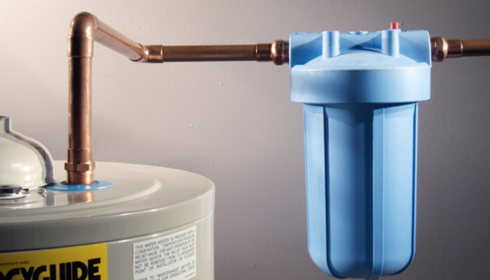
    Here’s where choosing a system gets tricky: do you go for a small pitcher filter, a faucet-mounted unit, or a more permanent under-sink solution? Each has its pros and cons. Pitchers are cheap but limited. Faucet attachments are convenient but often slow down your flow. And under-sink purifiers? Well, they’re an investment—but one that pays off daily in ways you’ll appreciate every single time you cook or make tea.

    Whole-Home Peace of Mind

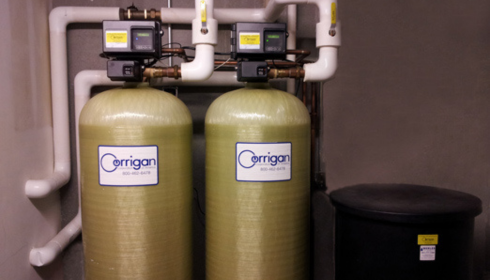
    Of course, drinking water isn’t the whole story. The shower, the laundry, even the dishwasher—it all depends on the same supply. Hard water, in particular, can be a silent villain. It leaves scale on fixtures, makes soap less effective, and even dulls your clothes over time. That’s why so many homeowners eventually turn to larger systems that address the entire house rather than piecemeal fixes.

    When you think about it, clean water is a lifestyle improvement. It’s not just healthier; it’s also more pleasant. Showers feel better without harsh minerals drying out your skin. Dishes sparkle without streaks. Clothes come out softer. It’s the kind of shift you don’t fully appreciate until you’ve lived with both versions.

    Finding a System That Fits You

    Now, here’s the honest truth: there isn’t a one-size-fits-all answer. The right system depends on your local water quality, your budget, and your household’s priorities. That’s why a little research goes a long way. A Home water purifier that works wonders in one city might be overkill—or insufficient—in another.

    Testing your water is step one. From there, it’s about matching the problem with the solution. High chlorine? Go for a carbon filter. Heavy metals? Specialized cartridges are your friend. Want everything handled in one go? A multi-stage system is probably the answer.

    The Personal Side of Clean Water

    I’ll admit it—before I started writing about health and home topics, I never gave water much thought. But once you learn about the hidden world inside those pipes, it’s hard to go back to blind trust. And honestly, why would you?

    There’s something empowering about taking control of something so basic. You’re not just investing in a gadget; you’re making a daily choice for better living. Every glass, every meal, every shower becomes a subtle reminder that you’re doing right by yourself and your family.

    Wrapping It Up

    Water filtration might not be the most glamorous subject, but it’s undeniably one of the most impactful. Whether you’re motivated by taste, health, or just plain peace of mind, the benefits stack up quickly. And unlike so many other household upgrades, this one touches nearly every corner of your life.

  • Clean Water, Clear Minds: Why Texas Businesses Are Turning to Commercial Filtration

    Clean Water, Clear Minds: Why Texas Businesses Are Turning to Commercial Filtration

    If there’s one thing we all take for granted until it’s gone, it’s clean water. You notice it when your coffee tastes off, when the ice cubes in your drink are cloudy, or when a dishwasher leaves streaks on freshly polished glasses. For businesses in Texas, where the water supply can vary wildly depending on the region, water quality isn’t just a matter of taste—it’s about reputation, efficiency, and in some industries, compliance with health standards.

    Walk into a café in Austin, a brewery in Dallas, or a medical clinic in Houston, and you’ll quickly realize just how much hinges on water. It’s the invisible backbone of daily operations. Yet, it’s often overlooked until problems—like scaling, bad taste, or equipment damage—start costing money. That’s where commercial water filters Texas providers step in, helping companies take back control over something as simple, and as vital, as what flows through their taps.


    More Than Just Drinking Water

    The first thing most people think about with water filtration is drinking water. Sure, nobody wants to serve clients cloudy, odd-tasting water. But for businesses, it goes deeper. Restaurants need reliable filtration so their soda fountains and coffee machines churn out beverages that keep customers coming back. Breweries obsess over water chemistry because even slight variations can alter the final taste of a beer. Hospitals and labs, meanwhile, require highly purified water to meet strict safety and cleanliness standards.

    The stakes are different in every industry, but the common thread is simple: water quality matters. For some businesses, poor water can mean lost customers. For others, it could mean equipment downtime, costly repairs, or even regulatory violations. That’s why water filtration services for businesses TX aren’t a luxury—they’re becoming standard practice across the state.


    Hard Water: A Silent Profit Killer

    Anyone who’s lived in Texas knows that hard water is practically part of the state’s DNA. The minerals that sneak into pipes and build up in appliances don’t just cause soap scum—they quietly shorten the life of expensive machines. Think about a commercial dishwasher, an espresso machine, or an ice maker. Each relies on clean water to function properly. Without filtration, limescale builds up, efficiency drops, and before long you’re paying for a replacement long before its expected lifespan.

    For a small café, that might mean thousands in sudden expenses. For a large hotel, the costs multiply quickly. Water filtration doesn’t just make water taste better; it’s a preventative step that protects investments. And honestly, any smart business owner knows that prevention almost always beats cure.


    Local Solutions With Global Benefits

    Texas is huge, and the water challenges in El Paso aren’t the same as those in San Antonio or Houston. That’s why working with local specialists makes such a difference. A provider who understands the quirks of your municipal water supply can recommend systems that don’t just solve immediate issues but anticipate future ones.

    If you’ve ever searched for commercial water filter installation near me, you’ve probably noticed how many options pop up. But not all providers are created equal. The best ones don’t just drop off equipment and leave—they consult, install, and stick around to maintain the system. That ongoing support is crucial, because filtration isn’t a one-and-done job. Filters need replacing, systems need fine-tuning, and water conditions can change over time.


    The Customer Experience Angle

    Here’s the thing—customers notice water quality, even if they don’t mention it out loud. That glass of water at a restaurant table sets the tone for the whole meal. If it tastes off, the guest is already skeptical before the appetizers arrive. If the ice in a drink looks cloudy, it creates a tiny ripple of doubt. And in today’s world of instant online reviews, one bad impression can echo far beyond the restaurant walls.

    The same goes for offices and waiting rooms. Offering clients or patients a clean, refreshing glass of water—or coffee made with filtered water—subtly signals professionalism. It shows you care about details, even the ones they didn’t expect you to think about. Those details build trust.


    Making the Investment Work for You

    Yes, commercial water filtration is an investment. But it’s one that pays itself back quickly when you factor in savings from reduced equipment damage, lower maintenance costs, and fewer customer complaints. Many businesses even find that staff morale improves when the breakroom coffee suddenly tastes like it came from a café instead of a tap.

    The key is choosing the right system for your needs. That’s where expert advice comes in handy. A one-size-fits-all filter won’t cut it when your business has specific demands, whether it’s handling high volumes, filtering out particular contaminants, or meeting health regulations.


    Final Thoughts

    At the end of the day, clean water isn’t just about hydration—it’s about trust, image, and efficiency. Texas businesses that get ahead of the curve with proper filtration not only protect themselves from costly issues but also set themselves apart in the eyes of customers.

For those looking for more information about the latest options and features, explore ar 15 frt trigger kit to learn more about what it offers. If you're researching trigger technology and want to understand the available options, learn more about M92 frt and its features, design, and compatibility.