Blog

  • Breathing Easier: Finding the Right Air Purifier for Everyday Life

    Breathing Easier: Finding the Right Air Purifier for Everyday Life

    There are few things more underrated than clean air. We worry about what goes into our food, what chemicals might be in the water, and whether the products we buy are sustainably made, yet the very air circling around our living rooms and office desks is often an afterthought. Until, of course, dust starts building up, allergies kick in, or that musty smell sneaks back into the room after you just cleaned everything. That’s when people start hunting for solutions—and air purifiers almost always end up at the top of the list.

    But choosing one? That can feel overwhelming. Rows and rows of machines that all claim to be “the most powerful,” “quietest,” or “best for allergies.” It’s not unlike scrolling through phone models—you think you’ve found the right one until the next shiny gadget claims it does everything better.


    The Truth Behind Air Purifier Reviews

    Reviews can be a tricky thing. On one hand, they’re gold mines of real experiences. On the other, they can feel like a guessing game because what works wonders for one family might barely make a dent in another’s dusty apartment. That’s where digging into Healthway air purifier reviews becomes helpful. People often mention not just whether the machine reduced pollen, but also things you wouldn’t think about at first—like how much space it actually covers, whether it’s easy to clean the filters, or if the noise is tolerable during movie night.

    There’s also the part no one really talks about: air purifiers aren’t miracle machines. They won’t fix a leaky basement or stop your neighbor’s cigarette smoke from drifting in through a poorly sealed window. But what they can do—what the good ones consistently do—is ease the load. They pull allergens, dust, and invisible stuff out of circulation, leaving you with air that feels a little lighter. Sometimes that “little lighter” is the difference between sneezing through your work calls and actually breathing clearly enough to focus.


    Home and Office: Different Needs, Same Goal

    Not every space is created equal. Your cozy bedroom is one thing, but an open office where printers, people, and stale coffee all mix together is another. That’s why some people swear by finding the best air purifier for home and office—a model that’s versatile enough to switch between both worlds.

    In smaller spaces, compact purifiers often do the trick. They’re easy to move around, usually energy efficient, and most are quiet enough that you forget they’re running. Offices, though, require something sturdier. More people means more germs, more dust stirred up from constant movement, and usually more square footage. An office purifier doesn’t just clean the air; it sets a tone. When employees walk in and don’t feel that heavy, stale air pressing down on them, productivity actually benefits. It’s one of those subtle investments businesses don’t always realize pays off until they see the shift.


    Thinking Bigger: Whole House Solutions

    While portable purifiers are a lifesaver for apartments or single rooms, there’s an option that takes things to another level: a whole house air filtration system. Instead of placing little machines in each corner of the house like guard dogs, a central system integrates with your HVAC. It filters the air as it circulates, so every room benefits without you having to think about it.

    Of course, it’s not for everyone. The upfront cost is higher, and installation usually requires a professional. But for families with serious allergies, or homes in areas with constant outdoor pollution, the investment can be a game changer. Imagine no longer needing three different purifiers scattered around—just walking from kitchen to bedroom with the same fresh air greeting you. It’s not just cleaner air; it’s consistency.


    A Few Practical Thoughts Before Buying

    Here’s where I’ll admit something: I’ve made the mistake of buying an air purifier without checking the replacement filter price first. Rookie error. Because let’s be honest, some of those filters cost nearly as much as the machine itself over time. So before you commit, always check how often filters need swapping and whether they’re easy to find.

    Noise is another one. A purifier that sounds like a small airplane might clean the air beautifully, but you’ll be tempted to turn it off before bed, which kind of defeats the purpose. Look for one with adjustable fan speeds. That way, you can crank it up when you’re out of the room and let it hum quietly when you’re in.

    And finally, size matters. A purifier designed for a 100-square-foot room isn’t going to cut it in a 600-square-foot apartment. Manufacturers usually list recommended coverage areas, but reviews will tell you how realistic those numbers are in day-to-day life.


    Wrapping It Up

    Clean air doesn’t solve every problem, but it sure makes life more livable. The trick is being realistic about your needs. A small desktop model might be perfect if you just want relief from pollen while you work. A mid-range purifier could handle a family living room where pets, kids, and snacks collide daily. And for those who want a long-term, set-it-and-forget-it approach, a full-house system is hard to beat.

  • Clean Water, Clear Mind: Why More Families Are Turning to Filtration at Home

    Clean Water, Clear Mind: Why More Families Are Turning to Filtration at Home

    I’ve always believed that water has a way of setting the tone for a household. Think about it—when the water tastes crisp and refreshing, you reach for it more often, coffee somehow feels richer, and even something as simple as washing vegetables feels a little healthier. But when there’s a faint metallic tang, or a lingering chlorine smell, suddenly the act of filling a glass becomes less appealing. It’s no wonder so many families are taking a closer look at their water, especially in growing cities like Houston and nearby suburbs such as Sugar Land.

    We live in a time when “good enough” tap water doesn’t cut it anymore. Sure, municipal treatment plants do their job, but by the time that water travels through miles of pipes to reach your sink, who knows what tiny hitchhikers it’s picked up along the way? That’s where professional treatment and filtration step in—not as luxuries, but as essentials.


    The everyday reality of modern water

    Here’s the thing: most of us only start caring about water quality when there’s an obvious problem. Maybe you spot white spots crusting up your faucet, or your hair feels straw-like after a shower. Sometimes it’s more subtle—a stubborn stomach issue you never link back to the tap. And then there are bigger concerns, like the studies pointing out trace pharmaceuticals, microplastics, or excess minerals making their way into household supplies.

    For anyone who’s typed “top water treatment services near me” into a search bar after spotting something suspicious, the worry is real. And it’s valid. Because water is not just another utility. It’s a daily companion woven into every part of life—from the tea you sip at sunrise to the pasta you boil on a rushed Tuesday night.


    Why Houston families are looking beyond the tap

    Houston is a vibrant, sprawling city with endless choices in restaurants, culture, and—believe it or not—water systems. The local water authority treats billions of gallons daily, and overall, it’s considered safe. But “safe” is not the same as “optimal.” Minerals like calcium and magnesium can sneak through, leaving buildup on pipes and appliances. In some neighborhoods, chlorine levels used to disinfect water are strong enough to make showers smell like a public swimming pool.

    That’s why families here are turning to professionals. A water purification company Houston TX residents can rely on doesn’t just fix what’s broken—it upgrades the experience of everyday living. Suddenly, laundry feels softer, coffee tastes like it was brewed in a café, and you don’t hesitate to hand your toddler a glass straight from the faucet. It’s less about fear and more about quality of life.


    The role of technology in better water

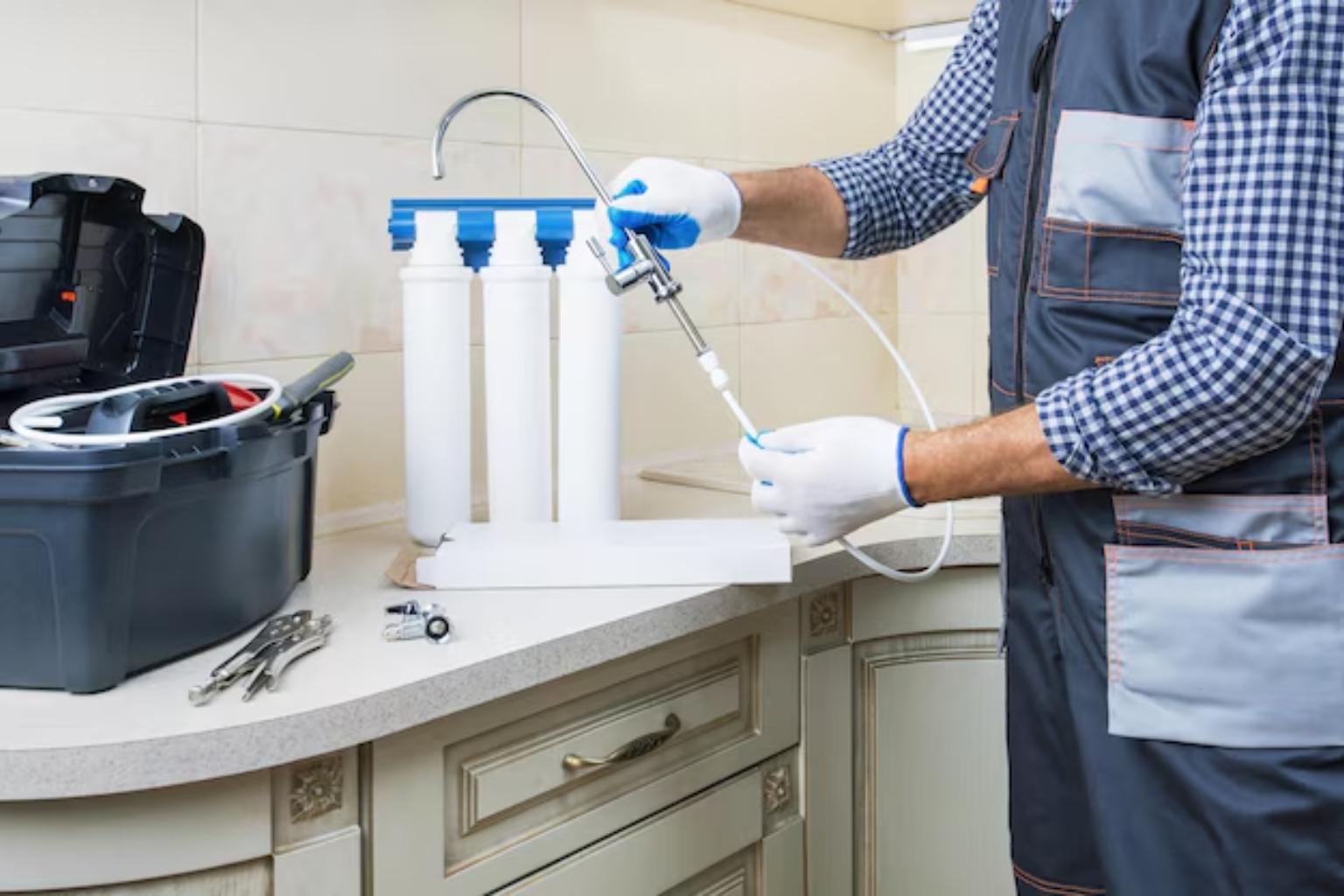
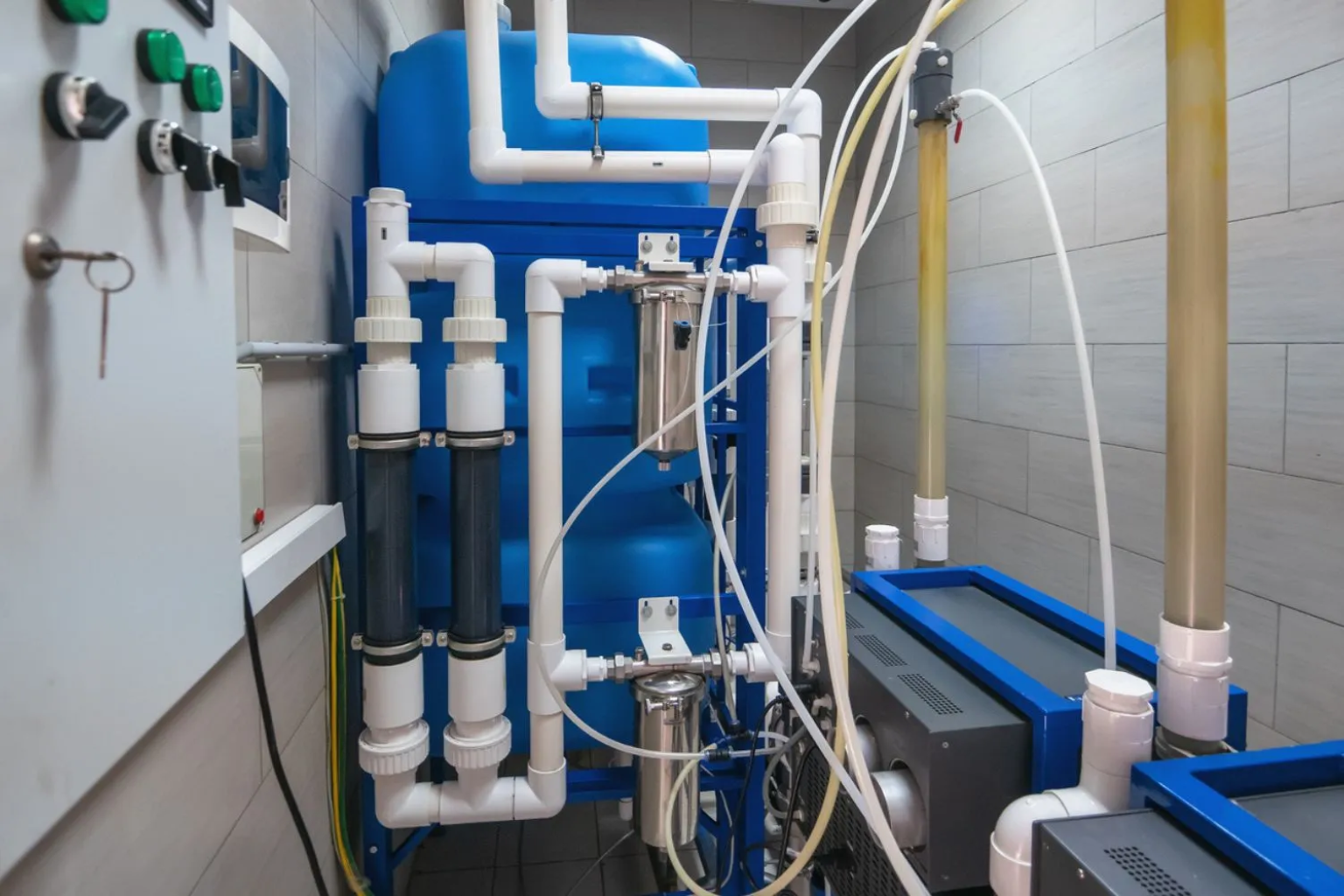
    What fascinates me most is how far water technology has come. Filtration isn’t just about a clunky pitcher in your fridge anymore. We’re talking about whole-home systems that filter every drop coming in, reverse osmosis units that strip out microscopic intruders, and smart monitors that track your water usage in real time.

    Imagine installing a sleek home water filter system Sugar Land families rave about—suddenly, your morning oatmeal, your ice cubes, even the water you rinse your apples with, all carry that fresh, clean taste. And here’s the kicker: these systems often save money in the long run by protecting appliances from scale buildup and reducing bottled water purchases. It’s not just a lifestyle upgrade—it’s practical economics.


    A personal reflection

    A few years ago, I visited a friend’s home just outside of Sugar Land. She’d invested in a whole-home filtration system after her kids kept complaining about the taste of the tap water. I’ll admit, I was skeptical. But when she poured me a glass, I got it instantly. It tasted—well, nothing. No chlorine, no mineral tang, just clean. And oddly enough, that’s what water should be.

    She said her dishes came out of the dishwasher without streaks, and even her plants seemed happier. At the time, I brushed it off as a small luxury. Now, after seeing more families take that route, I realize she was ahead of the curve.


    Thinking long-term about health

    The bigger picture here isn’t just taste or convenience. Clean water touches on long-term health. When you reduce exposure to potential contaminants, you’re investing in fewer headaches down the road—literally and figuratively. And with growing concerns about infrastructure, aging pipes, and environmental runoff, there’s a peace of mind in knowing your home has its own last line of defense.

    Sure, bottled water is an option, but it’s hardly sustainable. Not only does it rack up costs, but it also adds to plastic waste. Home systems strike a balance: reliable, eco-friendly, and surprisingly affordable when you look at the monthly breakdown.


    Closing thoughts

    At the end of the day, water is personal. It’s the ingredient that sneaks into every recipe, every shower, every glass by your bedside. Choosing to improve it is not about overthinking—it’s about valuing something we often take for granted. Whether you’re searching for top water treatment services near me because of an odd taste in your tap, or you’re considering a full setup from a water purification company Houston TX, the decision carries ripple effects far beyond the sink.

  • When Home Appliances Fail: Finding the Right Repair Service in South Carolina

    When Home Appliances Fail: Finding the Right Repair Service in South Carolina

    There’s nothing quite like the sound of silence when your refrigerator suddenly stops humming, or that sinking feeling when your oven refuses to heat up on a busy weeknight. Appliances have a way of reminding us just how much we depend on them, usually at the most inconvenient times. And when they fail, the question isn’t just “How do I fix this?” but “Who can I really trust to fix this without making things worse?”

    I’ve lived through this exact headache more than once. Picture it: Saturday morning, coffee brewing, and the dishwasher decides to retire mid-cycle. You’re staring at a sink full of sudsy water and half-clean plates, realizing that the DIY spirit only goes so far when electrical parts and water are involved. That’s when professional help becomes less of an option and more of a necessity.


    The Value of Warranty Repairs

    One of the most overlooked safety nets homeowners forget to use is warranty coverage. Many of us either misplace the paperwork, skim past the fine print, or simply don’t realize how much protection we actually have. Calling in for Sloan Appliance warranty repair can be a game-changer. Instead of shelling out hundreds for a replacement part or a brand-new unit, warranty service often covers both labor and materials—sometimes even the travel fee.

    It’s not just about saving money, though that part feels pretty great. Warranty repairs often mean the technician knows your specific brand inside and out, having worked directly with the manufacturer. That expertise adds an extra layer of reassurance. If something’s still under warranty, you’d be surprised how many headaches you can dodge by letting the pros handle it instead of trying to tinker with it yourself.


    Why Kitchens Are Always the Battleground

    There’s a reason most household repair calls revolve around kitchens. Refrigerators, ovens, dishwashers, microwaves—these machines work nonstop and rarely get a break. A busted blender isn’t a crisis, but when the fridge conks out, you’re racing against time to save your groceries.

    South Carolina households are no different. From beach towns to upstate suburbs, families rely heavily on their kitchens. And when things go wrong, you’ll often hear neighbors swapping recommendations for reliable kitchen appliance repair SC services. It’s almost like finding a good mechanic—once you have one, you keep their number handy and share it with everyone you know.

    The tricky part is sifting through the noise. Online reviews help, but word-of-mouth still carries more weight. If your cousin swears by a particular technician who saved her Thanksgiving dinner, chances are that’s worth more than a dozen anonymous five-star ratings.


    Beyond Quick Fixes: Looking for Long-Term Solutions

    The temptation when something breaks is to go for the fastest, cheapest fix. But here’s the thing—patch jobs rarely hold up. A fridge that gets a “temporary fix” today might quit again next week, costing even more in the long run. That’s why choosing the right company matters. You don’t just want someone who can get it running again; you want someone who can explain why it broke, how to prevent it, and whether it’s time to think about replacement.

    I’ve seen the difference firsthand. Years ago, my dryer stopped heating, and the first service I called just swapped out a fuse, charged a fee, and left. A month later, same problem. The second technician not only fixed the root issue but also pointed out clogged vents that could’ve turned into a fire hazard. That’s the kind of expertise you can’t put a price on.


    Columbia’s Reputation for Appliance Services

    If you’re in the Midlands, you’ve probably heard about Columbia’s reputation for dependable repair services. Some names pop up again and again because they’ve earned trust over decades. When folks talk about the best appliance repair Columbia offers, it’s not just marketing fluff—it comes from people who’ve relied on these companies during their own appliance emergencies.

    What makes a repair service the “best”? For most people, it boils down to three things: reliability, transparency, and skill. Reliability means they show up when they say they will. Transparency means no hidden fees or confusing estimates. And skill? Well, that speaks for itself when your washing machine is spinning like new again after a single visit.


    The Human Side of Appliance Repair

    At the end of the day, appliance repair isn’t only about nuts, bolts, and circuits. It’s about trust. You’re inviting someone into your home, letting them handle machines that directly affect your family’s daily comfort. That kind of trust doesn’t come easy, which is why reputation and experience matter so much in this field.

    I’ve found that the best technicians are the ones who talk you through what they’re doing, show you the worn-out part, explain your options, and never make you feel pressured. They treat you like a partner in the process rather than just another invoice to bill.


    Final Thoughts

    Appliances may not last forever, but good service can make them last a whole lot longer. Whether you’re calling in for a warranty repair, rushing to save a fridge full of groceries, or simply trying to extend the life of your dryer, the right technician makes all the difference.

    In South Carolina, especially around Columbia, that choice is easier thanks to a number of trusted names in the industry. So the next time your dishwasher overflows or your oven won’t heat, don’t panic. With the right repair service, that small household disaster might just turn into a story you laugh about over dinner a week later.

  • Clean Water, Clear Minds: Why Disinfection Matters More Than Ever

    Clean Water, Clear Minds: Why Disinfection Matters More Than Ever

    If you’ve ever poured a glass of water straight from the tap and paused for a second, wondering if it’s truly clean, you’re not alone. We like to think of our water supply as safe, pure, and dependable — but the truth is, water travels a long way before it reaches your kitchen. Along the journey, it can pick up tiny hitchhikers you don’t want in your glass. And I’m not just talking about harmless minerals. I’m talking about the invisible culprits: bacteria.

    Now, bacteria aren’t always the bad guys. They live in our gut, help us digest food, and even play a role in protecting our immune system. But the story changes completely when you’re dealing with bacteria in water treatment. Here, the focus is on stopping harmful strains — the ones that can cause illness, stomach upset, or worse — before they reach your faucet. That’s where the science of disinfection enters the picture, blending chemistry, technology, and a dash of common sense.


    The Silent Journey of Water

    Think about it: every drop of water that ends up in your home comes from somewhere. Rivers, reservoirs, wells, and lakes all feed into systems that deliver what we casually call “drinking water.” But raw water isn’t pristine. It’s exposed to soil, organic matter, animal waste, and microbes. Left untreated, it could carry diseases like cholera or E. coli infections that no one wants to battle.

    Modern treatment facilities don’t just filter water for clarity. They go a step further, using disinfectants or physical processes like UV light to neutralize pathogens. It’s a multi-layered defense — a little like locking your front door, then also installing an alarm system. That redundancy matters because water is too important to risk.


    Why Disinfection Is Non-Negotiable

    We’ve come a long way from the days when people boiled water over open fires just to make it safe. Today, municipal systems rely on carefully managed methods. Chlorination, ozone, and ultraviolet light are among the most common tools. Each has its pros and quirks: chlorine offers lasting protection as water travels through pipes, ozone works powerfully but disappears quickly, and UV light zaps microbes without leaving a trace.

    At the core of it all is a disinfection water system — designed not just to meet regulations but to keep entire communities healthy. Think of it as an invisible shield, one you’ll probably never notice, but that quietly guards every sip of water you drink and every pot of pasta you boil.


    When Things Go Wrong

    Here’s the tricky part: even with safeguards, contamination can sneak in. Old infrastructure, pipe breaks, or extreme weather events can compromise quality. If you’ve ever received one of those neighborhood boil-water advisories, you know how unsettling it feels. Suddenly, the water you trusted is questionable, and you’re back to boiling kettles just to brush your teeth.

    And for households not connected to municipal systems — think private wells in rural areas — the challenge is even greater. Well owners are essentially their own water utility, responsible for testing and ensuring safety. It’s not unusual to discover coliform bacteria or nitrates in those supplies, which calls for extra vigilance.


    Tools for Everyday Households

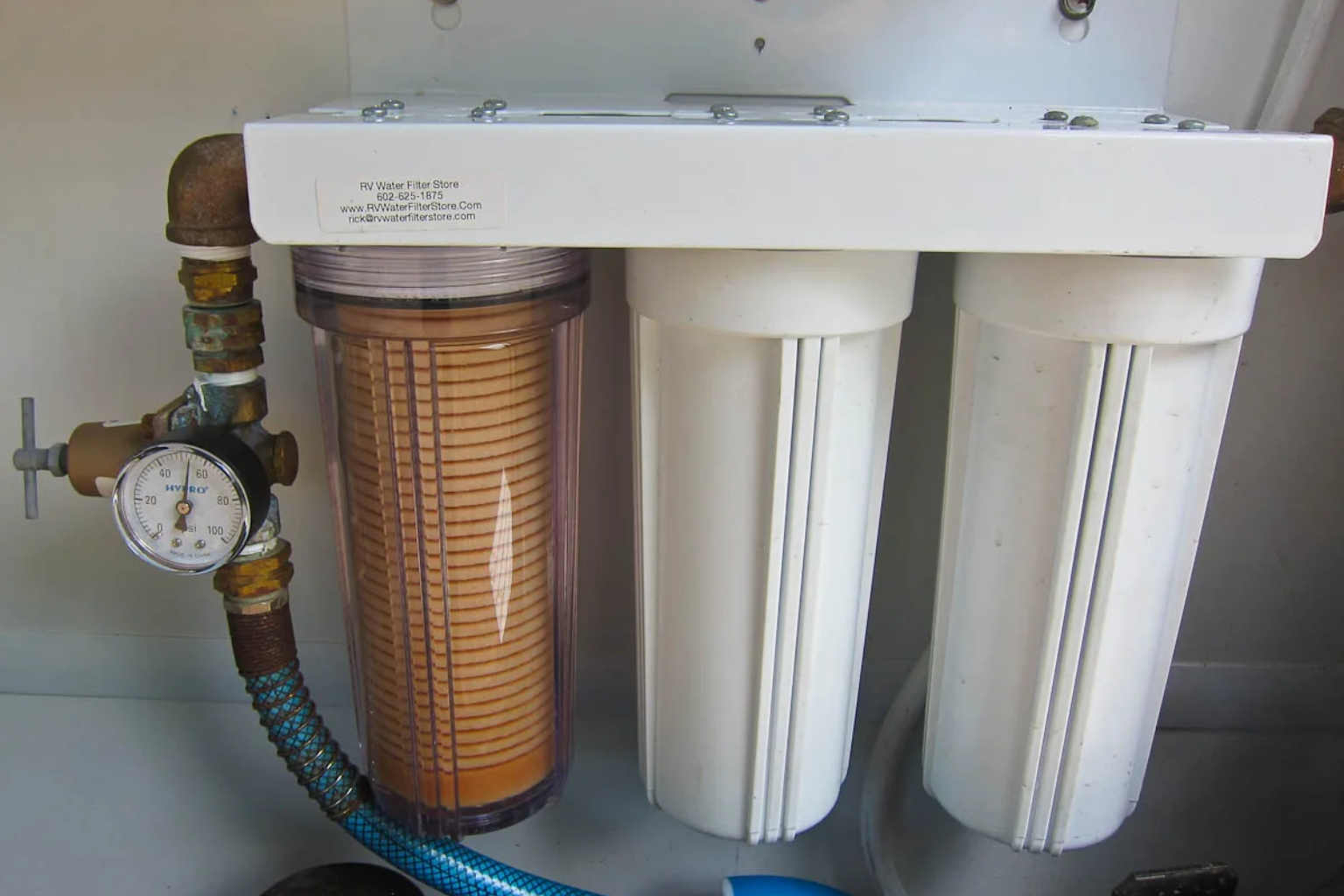
    So, what can you do if you want extra peace of mind? The good news is, options aren’t limited to large-scale treatment plants. For individual households, there are point-of-entry and point-of-use systems available. Whole-home filters, UV lights installed at the main line, or under-the-sink purifiers can all add another barrier against contamination.

    It’s about finding the right balance. Maybe you don’t need a complicated setup, but if your region has older pipes, frequent advisories, or a history of microbial issues, investing in a system makes sense. After all, the cost of prevention is often far less than the cost of illness.

    In plain terms, the goal is to kill bacteria in drinking water before it ever makes its way to your glass. Whether that’s through municipal efforts, private solutions, or a combination, the mission is the same: safe hydration without second-guessing.


    The Bigger Picture

    Water safety isn’t just about health; it’s also about trust. Communities thrive when people know they can rely on the basics. Public health improvements over the past century — longer lifespans, fewer outbreaks, better overall well-being — are directly tied to advances in water disinfection.

    But here’s the catch: infrastructure requires constant attention. Pipes age, technology evolves, and environmental challenges keep shifting. Climate change brings floods that overwhelm treatment plants, droughts that concentrate contaminants, and storms that damage delivery systems. The job of ensuring clean water never really ends.


    Final Thoughts

    At the end of the day, clean water feels so ordinary that it’s easy to take for granted. Yet behind every drop lies an intricate system of checks, balances, and innovations working overtime to protect us. And while you don’t need to obsess over every glass, a little awareness goes a long way.

  • When Your Tap Smells Like Rotten Eggs: A Real Talk About Fixing Sulfur in Water

    When Your Tap Smells Like Rotten Eggs: A Real Talk About Fixing Sulfur in Water

    If you’ve ever turned on the faucet, filled a glass, and caught that unmistakable whiff of rotten eggs… you know how unsettling it feels. You pause, sniff again, and wonder: is it the glass? The sink? Or is my water actually the culprit? For many households, especially those on well water, this is a daily frustration. The smell comes from hydrogen sulfide gas, and while it isn’t always harmful, it makes drinking, cooking, or even showering feel less than fresh. And honestly, who wants to live with that kind of daily annoyance?

    The good news: this problem is solvable. But before diving into solutions, it helps to understand what’s actually happening behind that pungent scent.


    Why Does Water Smell Like Sulfur?

    The “rotten egg” odor in water is usually caused by hydrogen sulfide gas. This gas forms naturally when organic matter breaks down, or when sulfur-reducing bacteria thrive in groundwater and plumbing systems. Sometimes, the smell shows up only in hot water, because the heat from your water heater gives bacteria and sulfur reactions a little boost. Other times, the odor is strong across the whole house.

    That’s where things get tricky: not all sulfur smells are created equal. A faint smell in just one tap may point to plumbing issues, while a strong odor across every faucet is often linked to the well itself or the source water. Either way, no one wants to live with water that tastes like it belongs in a swamp.


    First Steps: Testing and Diagnosis

    Here’s the part many homeowners skip — and regret later. Before spending money on gadgets or quick fixes, it’s smart to test your water. Local water testing services, or DIY kits, can help determine whether you’re dealing with hydrogen sulfide gas, iron bacteria, or something else entirely.

    Why test? Because different problems demand different solutions. Sometimes, the smell can be traced back to your water heater’s anode rod, which reacts with sulfur bacteria. In that case, replacing the rod may solve the problem without a major system overhaul. Other times, the contamination is at the groundwater level, and you’ll need something more robust like a sulfur smell water treatment system designed for whole-house use.


    Common Fixes People Try (and Why They Don’t Always Work)

    Let’s be honest: most of us try the quick fixes first. Flushing the water heater, pouring bleach into the well, or running bottled water for a while. And yes, sometimes these solutions work temporarily. But more often than not, the smell creeps back after a few days or weeks.

    That’s because the root cause isn’t always surface-level bacteria. If hydrogen sulfide is present in your water supply, it won’t go away with a single round of disinfectant. You’ll need a consistent solution — something that doesn’t just mask the problem, but eliminates it at the source.


    Long-Term Solutions: Finding the Right System

    So, what actually works? The good news is there are several reliable treatment options depending on your water chemistry and budget.

    One of the most effective tools is a hydrogen sulfide water filter, typically using catalytic carbon or an oxidizing medium to neutralize the gas. These filters remove the odor before it reaches your faucet, leaving water that’s fresh-smelling and safe to drink.

    For heavier cases, aeration systems or chemical injection systems may be needed. These work by introducing air or oxidizing agents that break down hydrogen sulfide molecules before filtration. And in some situations, a combination of filtration and oxidation provides the best results.


    What About the Rotten Egg Filter Systems You See Online?

    You’ve probably seen plenty of ads claiming to fix your water issues in minutes. Some are legit, others not so much. It’s important to remember that not every product is built for every water source. A rotten egg water filter system that works beautifully for one household may be completely ineffective for another if the underlying water chemistry is different.

    That’s why testing your water first, and then matching a solution to the actual results, is so crucial. Think of it like buying shoes: you wouldn’t grab the first pair on the shelf without checking your size.


    The Real-Life Benefits of Fixing Sulfur Water

    Aside from the obvious — no more pinching your nose every time you turn on the tap — fixing sulfur water comes with plenty of lifestyle perks. Coffee and tea taste better. Showering feels cleaner. Cooking doesn’t carry an odd smell in the steam. Even laundry benefits, since hydrogen sulfide can discolor clothes and leave a faint musty scent.

    For families, it also brings peace of mind. Guests won’t wrinkle their noses when washing their hands. You won’t be embarrassed offering someone a glass of water. And most importantly, you can trust that your home’s water supply feels as safe and clean as it should.


    A Thoughtful Ending

    Here’s the truth: living with sulfur water is frustrating, but it’s not permanent. The smell may feel overwhelming now, but with proper testing, diagnosis, and treatment, it can be fixed. Think of it as investing in the everyday quality of your life. Clean water isn’t just a utility — it’s part of your comfort, your health, and the rhythm of your home.

  • When Home Plumbing Surprises You: Real Talk on Repairs, Replacements, and Everything in Between

    When Home Plumbing Surprises You: Real Talk on Repairs, Replacements, and Everything in Between

    Let’s be honest: no one ever plans for a plumbing problem. You don’t wake up on a Saturday morning thinking, “Today feels like the perfect day for my bathroom pipes to burst.” Yet, it happens. Plumbing is one of those invisible systems in our homes—quietly doing its job until suddenly, it doesn’t. And when it doesn’t, life feels like it’s unraveling a bit.

    I’ve had those moments. Standing in the kitchen with a mop in one hand, watching water creep across the floor, wondering if calling a professional means waving goodbye to half my savings. The truth is, plumbing issues vary—some are tiny annoyances, others demand immediate attention. But when they hit, knowing what to expect (and who to call) can take the edge off the panic.


    The Messy Reality of Sewer Line Problems

    Few things feel as stressful—or as unpleasant—as dealing with a sewer backup. Not only does it leave behind a smell you’ll never forget, but it can also cause real damage if ignored. The underground pipes that carry waste away from your home don’t last forever. Tree roots creep in, cracks form, and before you know it, you’ve got a disaster on your hands.

    That’s where calling a trusted sewer line repair service makes sense. Professionals use tools most of us couldn’t even name, let alone operate—cameras that snake through pipes, hydro-jetting machines, trenchless replacement methods. It’s not a DIY weekend project. Paying for the repair might sting, but so does the alternative: recurring clogs, foul odors, and potential property damage. Think of it as one of those necessary investments that keeps your home livable.


    Hot Showers and the Comfort Factor

    If you’ve ever had your water heater fail in the dead of winter, you know the unique sting of stepping into a freezing shower. It’s the kind of shock that makes you question all your life choices. Heating water isn’t glamorous, but it’s one of the most important functions in a house. Cooking, bathing, laundry—it all depends on that hidden appliance doing its job.

    Searching for water heater installation near me can feel overwhelming, but it’s also a relief knowing professionals can swap out your old unit with something efficient and reliable. These days, you’ve got choices too: traditional tank heaters, tankless systems, energy-efficient models. A good plumber won’t just install the new unit; they’ll help you weigh what fits your household best. Because at the end of the day, hot water isn’t a luxury—it’s comfort, it’s hygiene, it’s peace of mind.


    The Everyday Heroics of Drain Cleaning

    While sewer lines and water heaters get the spotlight for major disasters, drains are the silent warriors of our daily routine. The bathroom sink where you brush your teeth, the shower where soap suds swirl away, the kitchen sink that takes the brunt of last night’s pasta water—all of them work hard until they don’t.

    Clogged drains usually start small. A little gurgle, a slow drain, maybe a faint smell you can’t quite place. Ignore it, though, and suddenly you’re ankle-deep in standing water. That’s when drain cleaning plumbers earn their reputation. They don’t just poke around with a wire hanger like some of us have tried; they use professional-grade augers, hydro-flushing equipment, and experience that helps them spot issues we’d miss. It’s one of those maintenance tasks worth outsourcing because prevention is so much cheaper than crisis mode.


    Why DIY Isn’t Always the Answer

    There’s a certain pride in fixing things yourself. I get it—I’ve spent weekends with YouTube tutorials, a box of tools, and the confidence of someone who definitely shouldn’t be holding a blowtorch. And sure, small fixes like swapping out a faucet washer or tightening a loose connection can be satisfying. But plumbing often hides bigger problems behind what looks like a simple issue.

    A dripping faucet might signal water pressure imbalances. A slow drain could be the symptom of a cracked pipe far below ground. What starts as a $10 fix can turn into a $1,000 headache if done wrong. There’s no shame in knowing when to call in the pros. In fact, it’s usually the smarter financial decision in the long run.


    Building a Relationship With Your Plumber

    It might sound strange, but finding a reliable plumber is a lot like finding a good mechanic or even a trustworthy doctor. You want someone you can call without hesitation, who shows up when they say they will, explains things in plain English, and doesn’t nickel-and-dime you for every extra screw.

    Over time, building that relationship means less stress during emergencies. A plumber who knows your home’s system can catch potential problems early, offer honest advice, and sometimes even save you money by preventing bigger issues. It’s about peace of mind, not just repairs.


    The Bigger Picture: Home as Sanctuary

    At the end of the day, plumbing isn’t just about pipes and drains—it’s about the way you live in your home. Clean water, reliable hot showers, functioning drains… these aren’t luxuries. They’re the foundation of comfort and safety. When something breaks, it’s not just an inconvenience; it disrupts your rhythm, your comfort, your sense of security.

    So yes, dealing with plumbing issues can be stressful, messy, and expensive at times. But seeing them as part of maintaining your home’s heartbeat helps shift the perspective. Instead of waiting for the next surprise disaster, a little regular maintenance and a reliable professional on speed dial can keep your home running the way it should.

  • Plumbing Peace of Mind: Reliable Help for Hobbs Homes and Businesses

    Plumbing Peace of Mind: Reliable Help for Hobbs Homes and Businesses

    Plumbing has this uncanny way of reminding us how important it is at the worst possible times. You go weeks without thinking about it, then suddenly your shower has no hot water, or your kitchen sink decides it’s done cooperating. Life slows down fast when basic plumbing fails. And in a place like Hobbs, where homes and businesses rely on steady systems, having trustworthy plumbers close by isn’t just handy — it’s essential.

    That’s where local support makes all the difference. Families here depend on Kenzie Plumbing services Hobbs NM to keep daily routines on track. Whether it’s a dripping faucet that won’t quit, a water heater giving up in the middle of winter, or a business restroom that suddenly goes out of order, having pros you can call on gives you more than just a fix — it gives you peace of mind.


    The Everyday Fixes That Save Sanity

    Most plumbing calls aren’t about dramatic floods or broken pipes. More often, it’s the smaller stuff. A toilet that runs all night, slowly driving you mad. A drain that backs up every time you cook dinner. Or that faint but worrisome water stain on the ceiling.

    These things might seem minor at first, but they pile up in frustration — and in cost if ignored. Taking care of them early isn’t just about convenience; it’s about preventing bigger problems later on. A good plumber isn’t just someone you call in an emergency. They’re the one who keeps everything flowing smoothly day after day.


    Plumbing for Businesses Matters Just as Much

    It’s easy to think about plumbing in terms of homes, but local businesses need reliable systems too. Restaurants can’t operate with clogged sinks, schools can’t function without working restrooms, and shops can’t have leaks disrupting customers. The stakes are often higher because downtime costs money and damages reputations.

    That’s why Kenzie Plumbing contractors Hobbs New Mexico play such a vital role in the community. They understand that commercial plumbing requires a mix of speed, skill, and the ability to handle larger, more complex systems. It’s not just about fixing leaks — it’s about making sure businesses can stay open and continue serving customers without disruption.


    Why Local Knowledge Makes a Difference

    Plumbing challenges aren’t the same everywhere. The water quality, the age of the pipes, and even the layout of homes in Hobbs all bring unique quirks. Local plumbers know these details because they’ve been working with them for years. They’ve seen the way hard water can wear down fixtures, how older houses need special care, and how businesses juggle high demand on their systems.

    That experience matters. It means faster fixes, longer-lasting solutions, and advice that’s actually relevant. A plumber who understands local conditions isn’t just solving your current issue — they’re helping prevent the next one.


    When Emergencies Strike

    Plumbing doesn’t wait for a good time to fail. Burst pipes don’t politely hold off until Monday morning. Water heaters don’t always last until payday. And clogs love to happen at the exact moment you’re expecting company. That’s when having someone you can call — and trust — makes all the difference.

    Fast response in emergencies isn’t just about saving your floors or preventing more damage. It’s about reducing stress. It’s about knowing that, even in the middle of the night, there’s a professional who will answer the phone, show up, and take control of the chaos.


    Balancing Cost with Quality

    Here’s a truth most people know deep down: cheap plumbing fixes often end up costing more. Sure, it feels good to save a few dollars now, but when the same problem returns a month later, you realize that quality work is worth it.

    What homeowners and businesses want isn’t necessarily the lowest price. It’s fair pricing, clear communication, and work that lasts. Transparency in estimates, no surprise charges, and honest recommendations go a long way. And once you find that kind of service, you’ll stick with it — because plumbing isn’t an area where you want to gamble.


    The Human Side of Plumbing

    Plumbing might sound purely technical, but at its heart, it’s about people. It’s about walking into someone’s home at a stressful time and helping them feel like things are under control again. The best plumbers don’t just fix pipes; they listen, explain, and reassure.

    That’s why residents value providers like Kenzie Plumbing repair Hobbs NM. It’s not only about skill — though the skill is there — it’s about professionalism and the respect shown during what is often a very frustrating moment. When someone treats your home with care and your concerns with patience, it leaves an impression that lasts long after the water’s running again.


    Prevention Over Panic

    One thing people often forget: most plumbing disasters can be avoided with routine maintenance. Drains cleaned regularly, water heaters serviced, pipes inspected — these small steps can prevent the big, expensive surprises. It’s like a checkup for your home.

    Plumbers who focus on prevention aren’t just solving today’s issue. They’re looking ahead, helping you avoid the stress of emergencies. It might not feel urgent when everything seems fine, but it’s the smarter (and cheaper) way to take care of your property.


    Wrapping Things Up

    At the end of the day, plumbing isn’t glamorous. Nobody celebrates their sink draining properly or their shower working as expected. But those things are the backbone of daily comfort. And when they fail, life grinds to a halt.

    That’s why reliable local plumbing support matters so much in Hobbs. From fixing everyday nuisances to handling commercial systems, and from late-night emergencies to routine maintenance, trusted professionals keep life moving.

    Because plumbing, at its core, isn’t just about water and pipes. It’s about homes staying comfortable, businesses staying open, and people knowing they’re not alone when something goes wrong.

  • Kitchens and Baths That Truly Work: A Human Take on Home Design in Minneapolis

    Kitchens and Baths That Truly Work: A Human Take on Home Design in Minneapolis

    Some rooms hold more weight than others. Walk into a kitchen or bathroom, and you’ll know instantly if it feels right—or if it’s fighting against you. Maybe the counters are too cramped, the lighting too harsh, or the flow just doesn’t make sense. On the flip side, when these spaces are done well, they quietly transform your daily routines. That’s why so many homeowners in the Twin Cities turn to a Kitchen design specialist Minneapolis expert, someone who knows that these two rooms aren’t just functional—they’re the heart and soul of the home.


    Kitchens: More Than Just Cooking

    The kitchen is often where life happens. Sure, meals are cooked there, but it’s also where kids sprawl out with homework, where late-night conversations unfold, where coffee jumpstarts groggy mornings. It’s a room of rituals, both ordinary and unforgettable.

    That’s why kitchen design isn’t just about materials and finishes—it’s about how the space works. Storage that actually accommodates your life. Lighting that adjusts from practical prep to warm ambiance. Seating that invites people to stay a little longer. These aren’t luxuries; they’re what make a kitchen feel like the center of home life instead of just another room.


    Bathrooms as Retreats

    Bathrooms used to be purely utilitarian—rooms you rushed through without thinking twice. Today, they’ve evolved into small sanctuaries, places where you can recharge and reset. A long soak in a tub after a cold Minneapolis day isn’t just comfort; it’s care.

    Working with a Luxury bathroom design firm MN means elevating the ordinary into the extraordinary. Heated floors, rainfall showers, smart storage, lighting that flatters instead of frustrates—these touches add up. They turn bathrooms into spaces that don’t just serve a purpose but enrich your routines.


    Local Context Shapes Design

    Design doesn’t exist in a vacuum. Here in Minnesota, seasons dictate so much. Winter calls for warmth, layered lighting, and durable finishes that can handle snow gear and salt. Summer asks for brightness, ventilation, and seamless connections to the outdoors. A good designer knows how to build for all seasons, not just the glossy snapshots of one moment in time.

    That’s the advantage of working with someone local—they understand the rhythms of Minneapolis living and weave them into design choices that will feel right all year long.


    Balancing Beauty with Function

    It’s easy to get caught up in Pinterest boards or glossy magazine spreads. But homes aren’t staged sets; they’re lived-in places. That means function has to come first. A beautiful kitchen that lacks storage will frustrate you daily. A stunning bathroom without proper ventilation will become a headache down the road.

    Great design balances both sides. It respects the way a home needs to work while still making it a joy to look at and live in. That balance is where the true magic lies.


    Personalization Is Key

    No two families live the same way. One might need an island big enough for kids’ projects and weekend brunches, while another craves a minimalist space with sleek lines and hidden storage. The same goes for bathrooms—what feels like a retreat to one person might feel impractical to another.

    That’s why personalization is so essential. It’s not about copying trends but about tailoring spaces to your rhythms. The goal isn’t perfection; it’s authenticity.


    The Role of Guidance

    Renovating or building kitchens and baths can feel overwhelming. The decisions pile up—tile patterns, faucet finishes, cabinet layouts—and it’s easy to lose sight of the bigger picture. That’s why having professional guidance matters. Designers help connect the dots, making sure every choice contributes to a cohesive vision.

    When homeowners partner with firms like Julian Design kitchen and bath, they gain not just expertise but reassurance. There’s confidence in knowing the layout will flow, the materials will hold up, and the end result will reflect both function and personality.


    Emotional Payoffs

    Here’s what often goes unsaid: design changes how you feel in your own home. Cooking in a space that works becomes enjoyable instead of stressful. Starting the day in a bathroom that feels calm sets the right tone. Even hosting friends becomes easier when the environment encourages connection.

    These aren’t shallow perks. They’re meaningful shifts that improve quality of life. A well-designed kitchen or bath doesn’t just look good; it gives you back energy, time, and peace of mind.


    Old Meets New

    In Minneapolis, many homes come with character—craftsman details, original woodwork, quirks that tell a story. The challenge is updating kitchens and baths to meet modern needs without erasing that charm. The best designs blend both worlds.

    It might mean pairing sleek new cabinetry with restored wood trim or modernizing a bathroom while keeping a vintage clawfoot tub. The goal isn’t to replace history but to give it new life.


    Closing Thoughts

    Kitchens and bathrooms may not always be the flashiest rooms in a house, but they carry weight far beyond their square footage. They set the tone for daily routines, shape how you move through your day, and quietly influence how you feel in your own home.

    That’s why investing in thoughtful design—whether for a remodel or new construction—is never wasted. It’s not just about value on paper; it’s about creating spaces that reflect you and support you, year after year.

    In the end, the best designs don’t shout. They simply work—beautifully, seamlessly, and personally. And that’s the kind of home we all want to live in.

  • Clean Water, Clear Future: Why Smarter Treatment Solutions Matter More Than Ever

    Clean Water, Clear Future: Why Smarter Treatment Solutions Matter More Than Ever

    It’s funny how we barely think about water until something goes wrong with it. A slow faucet drip, a strange metallic taste, or that faint rotten-egg smell sneaking out of the tap — suddenly, water isn’t just background noise anymore. It becomes a priority, and honestly, it should’ve been one from the start. Clean, safe water isn’t just about quenching thirst; it’s about public health, community resilience, and even how sustainable our future looks.

    But water doesn’t just magically arrive safe and perfect. Behind the scenes, an intricate dance of science, engineering, and old-fashioned human effort keeps the supply usable. It’s a world that many of us don’t see but all of us rely on. And it’s worth talking about, because the challenges aren’t getting any smaller. From aging pipes to emerging contaminants, the system we depend on is constantly being tested.


    The Hidden Work Behind Every Glass of Water

    Imagine you’re filling a glass straight from your kitchen tap. It’s clear, cold, and ready to drink. That seamless experience comes thanks to layers of infrastructure, testing protocols, and people who’ve dedicated their careers to making sure you never question what you’re drinking.

    Behind the curtain are treatment plants, pumping stations, lab technicians, and whole teams tasked with delivering safe water to homes and businesses. They wrestle with everything from seasonal floods carrying extra sediment into rivers to industrial pollutants that can sneak into groundwater. It’s no small feat.

    In fact, as climate change pushes rainfall patterns into chaos and population growth increases demand, the importance of efficient wastewater management services has skyrocketed. Wastewater isn’t just a problem to get rid of — it’s a resource to be treated and, where possible, reused. Properly managed, it keeps communities healthier, prevents contamination of lakes and rivers, and even helps conserve fresh supplies for when we need them most.


    The Battle Against Stubborn Contaminants

    Water can pick up a lot on its journey. Sometimes it’s sediment, sometimes bacteria, and sometimes minerals that give it odd colors and tastes. For many households, the most annoying offenders are iron and sulfur. Anyone who has dealt with reddish stains in sinks or that infamous “rotten egg” smell knows exactly what I’m talking about.

    This isn’t just cosmetic. Excessive iron can clog plumbing and appliances, while sulfur odors can make drinking water downright unpleasant. Thankfully, modern treatment technologies have developed reliable methods for iron and sulfur water removal, restoring both safety and taste. Whether it’s aeration, filtration, or specialized resins, the solutions exist — but they require proper diagnosis and professional handling. It’s a reminder that water treatment isn’t one-size-fits-all. What works in one region might not solve the issues in another.


    Municipal Systems: The Unsung Backbone

    Of course, it’s not just about individual households. The scale at which cities and towns manage water is staggering. A municipal system isn’t simply a big pipe network; it’s a living organism that has to adapt constantly. Equipment breaks down, contaminants fluctuate, and regulations evolve. Yet most people never stop to appreciate the delicate balancing act going on under their feet.

    The role of municipal water treatment specialists is central here. They aren’t just engineers turning valves — they’re problem solvers working with chemistry, biology, and hydrology every single day. Their expertise ensures that schools, hospitals, and businesses have uninterrupted access to safe supplies. And when crises hit — think boil-water advisories or natural disasters — these specialists are often the first line of defense in restoring normalcy.


    Innovation at the Tap

    The good news is that water treatment isn’t stuck in the past. Innovations are reshaping what’s possible. Advanced membrane filtration, smart monitoring sensors, and even AI-driven systems are being tested and deployed across the globe. Imagine being able to detect contamination in real time and reroute supplies automatically — that’s the level of precision we’re heading toward.

    At the residential level, too, homeowners are investing more in their own water safety. From whole-house filtration systems to compact under-sink purifiers, people are realizing that peace of mind often comes with having a backup layer of protection. And when paired with community-wide efforts, these small steps can collectively make a huge difference.


    Why Community Awareness Matters

    All the technology in the world can’t make up for a lack of public understanding. When residents stay informed about where their water comes from, they’re more likely to support infrastructure investments, follow conservation guidelines, and demand accountability when something feels off. It’s not about scaring people into paranoia; it’s about cultivating respect for a resource that’s both finite and fragile.

    There’s also the matter of trust. High-profile contamination crises in recent years have left scars on communities. Rebuilding confidence means not just fixing pipes but also rebuilding transparency. Regular reporting, public education, and open lines of communication between residents and water authorities are crucial.


    Looking Ahead: Challenges and Opportunities

    If you zoom out, the future of water treatment looks like a mix of challenges and opportunities. On one hand, contaminants are becoming more complex. Pharmaceuticals, microplastics, and forever chemicals (like PFAS) present a whole new generation of hurdles. On the other hand, the technology to detect and remove these threats is advancing rapidly.

    Funding remains a perennial issue. Many municipal systems in the U.S. are decades old and require massive upgrades. These aren’t the kind of projects that win political points, but they’re absolutely vital. No one notices a well-funded treatment system until it fails — and then it’s too late.

    At the same time, global collaboration is growing. Experts across countries are sharing best practices, pooling data, and tackling water challenges as a shared human issue. Because whether you live in a desert city, a coastal town, or somewhere in between, the reality is the same: without reliable water, nothing else works.


    Final Thoughts: Respect the Flow

    It’s easy to take water for granted. It’s just there, like air, until something makes it inconvenient. But as the world grows more complex, our relationship with water needs to shift from passive reliance to active stewardship. That doesn’t mean everyone needs to become a hydrologist overnight. It means recognizing the systems and people that keep this lifeline flowing and being willing to support them — whether through community advocacy, responsible usage, or simply staying informed.

    The truth is, every glass of water has a story. From clouds to rivers to treatment plants to your kitchen faucet, it’s a journey that involves countless checkpoints, decisions, and safeguards. And while we may not think about it every day, that journey deserves respect. Because without clean water, the future we’re building — all our plans, innovations, and dreams — would evaporate pretty quickly.

  • When the Kitchen Stops Breathing: Why Vent Hood Repair Matters More Than You Think

    When the Kitchen Stops Breathing: Why Vent Hood Repair Matters More Than You Think

    If you’ve ever worked in a kitchen—whether at home or in a bustling restaurant—you know the hum and pull of a vent hood isn’t just background noise. It’s the unsung hero that whisks away smoke, grease, steam, and odors, making sure your cooking space feels alive rather than suffocating. But like most pieces of equipment, vent hoods don’t last forever. And when they go bad, you notice. Suddenly, that comforting whoosh is gone, replaced by lingering smells, condensation on the walls, and a slight panic about what’s failing behind the scenes.

    That’s usually the moment people grab their phones and frantically type, “vent hood repair near me.” And honestly, it makes sense. You don’t want to gamble with air quality, fire safety, or downtime if you’re running a business.


    The Often-Ignored Role of Vent Hoods

    Most of us don’t give much thought to vent hoods until something’s off. At home, that might be grease buildup or a motor that sounds like it’s grinding itself to pieces. In a commercial setting, it could mean a clogged filter that slows everything down or, worse, creates a dangerous environment for staff.

    A vent hood is essentially the lungs of your kitchen. Without it, the environment gets stifling—both literally and figuratively. Cooks struggle, the food doesn’t taste quite the same, and safety codes quickly come into question. That’s why regular inspections and prompt repairs are less about convenience and more about survival.


    Why Birmingham Stands Out

    Living in a city like Birmingham, with its vibrant food scene, makes vent hood maintenance even more critical. Think about it: from the Southern barbecue spots with slow-smoked brisket to upscale kitchens turning out delicate plates of seafood, every restaurant relies on a healthy ventilation system. When something breaks, it’s not just about comfort—it’s about keeping the doors open.

    That’s why searches like “vent hood repair Birmingham AL” are so common. The demand isn’t just high, it’s urgent. Restaurants can’t afford a day without proper ventilation. The good ones plan ahead with maintenance contracts, while others scramble for emergency fixes when disaster strikes.


    Signs Your Vent Hood Is Begging for Help

    You don’t need to be an expert to notice the early warning signs. Here are a few that usually spell trouble:

    • Odd noises. Grinding, squealing, or rattling sounds aren’t just annoying; they’re your fan crying for help.
    • Weak suction. If steam and smoke aren’t being pulled up, there’s likely a blockage or motor issue.
    • Persistent odors. Lingering smells are a dead giveaway that the system isn’t moving air the way it should.
    • Grease buildup. Not only messy, but also a fire hazard.
    • Excessive heat. When the kitchen feels hotter than usual, poor ventilation is often the culprit.

    Spotting these issues early can save money and prevent downtime, especially in commercial spaces.


    The Stakes in Commercial Kitchens

    At home, a broken hood might be an inconvenience. In a restaurant, it can shut everything down. Health inspectors don’t take kindly to malfunctioning ventilation systems, and insurance providers frown on fire risks. Beyond compliance, there’s staff safety and customer experience to think about.

    That’s why commercial vent hood repair is in a league of its own. The systems are larger, more complex, and often run nonstop for hours on end. When something gives out, it usually does so loudly and at the worst possible time—like Friday dinner rush. Restaurants can’t just shrug and cook through it; they need trained technicians who know how to fix heavy-duty equipment fast.


    DIY vs. Professional Repairs

    Here’s the thing: you can probably change a filter or wipe down grease on your own. But when it comes to motors, wiring, or deep cleaning inside the ductwork, it’s not a DIY project. One wrong move and you could make the problem worse—or put yourself at risk of electrical shock or fire.

    Professionals bring more than tools. They understand code requirements, know what parts fail most often, and have experience working in tight spaces. They’ll spot issues you might miss, like a worn belt that’s about to snap or a buildup in the duct that could easily spark.

    So, while you might be tempted to YouTube your way through a repair, remember that a functioning vent hood isn’t optional—it’s essential.


    Choosing the Right Service

    If you’re in the market for repairs, here are a few quick tips to make sure you get the right help:

    1. Check experience. Not all appliance techs handle vent hoods, especially commercial ones. Look for specialists.
    2. Read reviews. Word of mouth still matters, especially in tight-knit communities where a bad reputation travels fast.
    3. Ask about emergency service. Breakdowns rarely happen at convenient times.
    4. Request a quote upfront. Transparency saves headaches later.
    5. Maintenance contracts. If you run a business, consider regular checkups rather than waiting for breakdowns.

    Real-World Consequences

    A chef friend of mine once told me about the week his restaurant’s hood went out. For three days, the kitchen smelled like a deep fryer had exploded, staff were drenched in sweat, and customers started leaving because the dining room filled with smoke. The kicker? The repair ended up being something minor, but the delay cost them thousands in lost sales.

    That story stuck with me. It’s easy to forget that behind every meal served, there’s infrastructure quietly working. And when it fails, it’s not just an inconvenience—it’s a chain reaction of problems.


    Keeping It Simple

    The best approach to vent hood care is the same as any other important system: don’t wait for it to collapse. Clean it, check it, and call for help when something feels off. A working hood isn’t glamorous, but it’s what keeps the kitchen running smoothly, safely, and legally.


    Wrapping It Up

    In the grand scheme of things, vent hoods aren’t flashy. They don’t get the spotlight like a fancy new stove or a set of sharp knives. But without them, kitchens—both at home and in restaurants—can’t breathe.

    So the next time you catch yourself wondering why the air feels thick or why the usual cooking smells linger too long, listen to your gut. That’s your cue to call in the pros, whether you’re searching “vent hood repair near me” from your couch or scrambling for emergency vent hood repair Birmingham AL for a packed restaurant on a Saturday night.

    Because in the end, keeping your vent hood alive isn’t just about comfort—it’s about safety, compliance, and peace of mind. And that’s worth every bit of attention it asks for.

For those looking for more information about the latest options and features, explore ar 15 frt trigger kit to learn more about what it offers. If you're researching trigger technology and want to understand the available options, learn more about M92 frt and its features, design, and compatibility.