
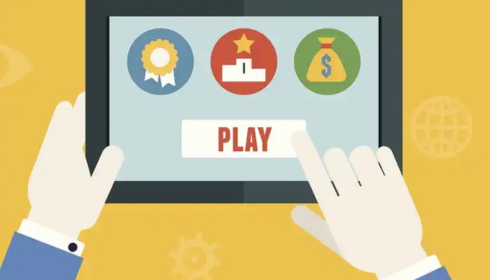
In today’s digital-first business landscape, brands are constantly seeking new ways to enhance customer engagement, boost retention, and build long-term loyalty. One of the most effective strategies gaining traction is loyalty gamification, a method that combines the principles of gaming with loyalty marketing. By adding interactive, fun, and rewarding elements to customer journeys, companies can create experiences that go beyond traditional loyalty programs.
Understanding Loyalty Gamification
Loyalty gamification is the process of applying game mechanics—such as points, levels, badges, leaderboards, and challenges—to customer loyalty programs. The aim is to make the experience more engaging and enjoyable, motivating customers to participate actively. Instead of merely collecting points for purchases, customers are encouraged to interact, share, and compete, turning loyalty into a dynamic, fun experience rather than a transactional one.
What Makes Gamified Loyalty Programs So Effective
Traditional loyalty programs often struggle with engagement because they focus solely on monetary rewards. Gamified systems, however, leverage human psychology—especially our love for achievement, recognition, and progression. For example, when customers unlock levels or earn badges for completing specific actions, they experience a sense of accomplishment. This emotional connection strengthens brand affinity and encourages repeat interactions.
A gamification loyalty program taps into this natural human motivation. It transforms routine actions—like making a purchase, writing a review, or referring a friend—into rewarding challenges. Customers are more likely to stay engaged when their participation feels enjoyable and rewarding.
Key Elements of a Successful Gamified Loyalty Program
To create a successful gamified loyalty strategy, brands need to focus on a few essential components:
- Clear Objectives: Businesses should define what they want to achieve—be it higher purchase frequency, greater brand advocacy, or improved engagement metrics.
- Reward Structure: Rewards should be meaningful, attainable, and scalable. A mix of tangible (discounts, freebies) and intangible (badges, recognition) rewards works best.
- Progression System: Customers love to see progress. Introducing levels or tiers gives them a reason to stay involved and strive for higher rewards.
- Social Engagement: Adding social sharing features or leaderboards can increase competition and community engagement.
- Personalization: Data-driven insights can help tailor challenges and rewards to individual preferences, increasing relevance and satisfaction.
Examples of Gamified Loyalty Programs in Action
Many global brands have successfully implemented gamified loyalty programs to great effect. Starbucks, for instance, has turned its rewards app into a game-like experience where users collect stars to reach higher tiers. Similarly, Nike’s fitness apps use achievements, challenges, and badges to motivate users to stay active, simultaneously promoting brand loyalty.
Even smaller businesses are adopting similar approaches, using digital tools to introduce points, spin-the-wheel games, referral challenges, and milestone badges. These innovations keep customers coming back, increasing both engagement and lifetime value.
Benefits of Gamification in Loyalty Programs
The benefits of implementing a gamified loyalty program extend far beyond customer retention. Businesses can expect:
- Increased engagement: Gamification encourages consistent participation, whether through purchases, reviews, or referrals.
- Higher customer lifetime value: Engaged customers spend more and stay loyal longer.
- Enhanced brand advocacy: Customers who enjoy the experience are more likely to recommend the brand to others.
- Valuable data insights: As customers interact with the program, brands collect behavioral data that can inform future strategies.
The Future of Gamification Loyalty
As technology evolves, the future of gamification loyalty looks even more promising. Artificial intelligence and personalization will make programs smarter, while augmented reality (AR) and virtual reality (VR) can create immersive loyalty experiences. For example, customers might complete AR-based challenges or earn rewards through virtual events, making brand interaction more interactive than ever.
Conclusion
In a competitive marketplace where customer attention is scarce, loyalty gamification provides a creative edge. It transforms ordinary loyalty programs into engaging experiences that strengthen relationships and increase retention. Businesses that embrace this innovative approach can turn customers into brand advocates, ensuring long-term success in an ever-evolving digital economy.