
Understanding Alkaline Water Treatment and the Role of Remineralization
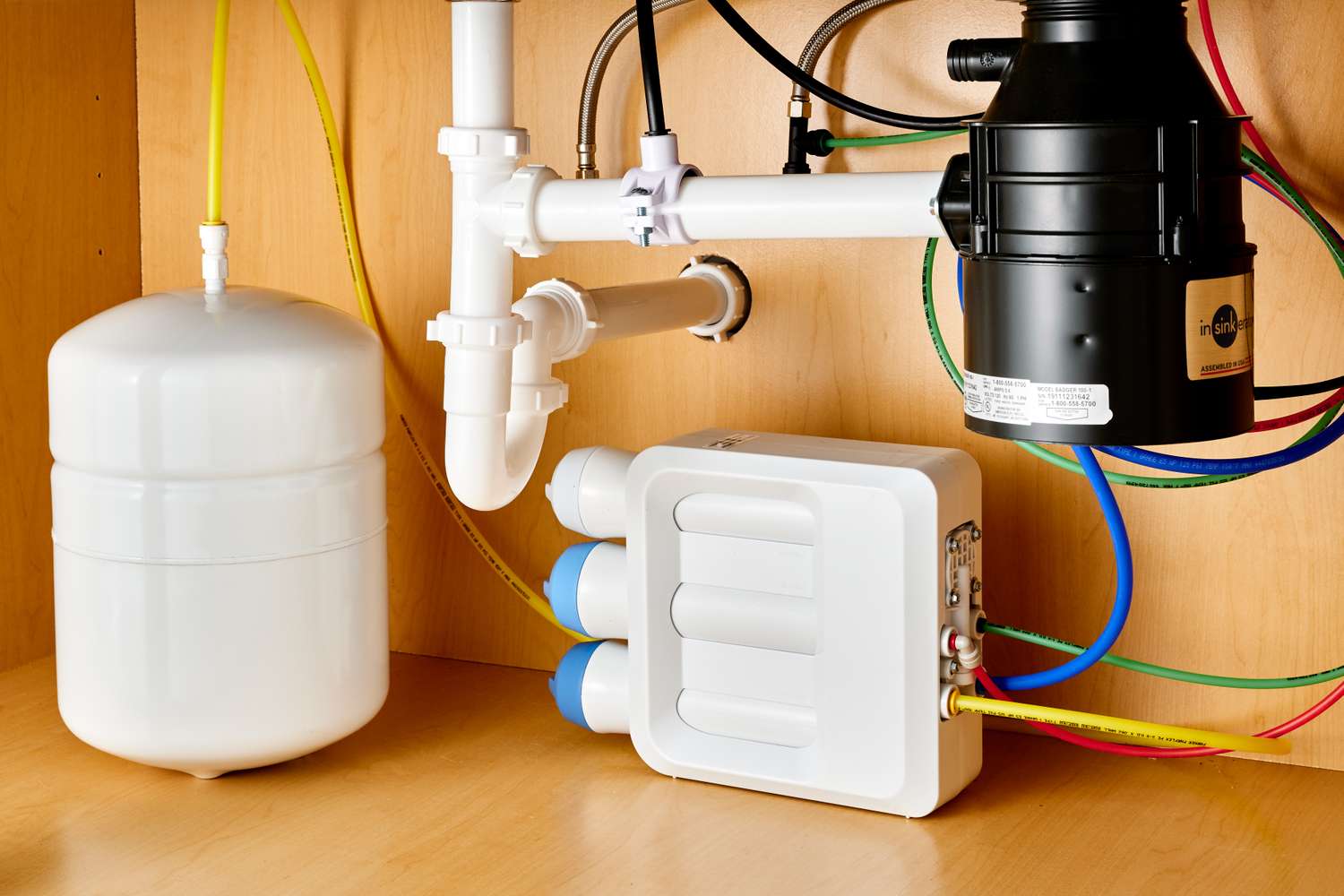
Water treatment has changed quite a bit over the years. Not long ago, many households were mainly concerned with removing sediment, reducing chlorine taste, or dealing with hard water. Today, people are also exploring drinking water systems that adjust mineral content and pH to suit their preferences. That interest has brought reverse osmosis, alkaline water,…
Water treatment has changed quite a bit over the years. Not long ago, many households were mainly concerned with removing sediment, reducing chlorine taste, or dealing with hard water. Today, people are also exploring drinking water systems that adjust mineral content and pH to suit their preferences. That interest has brought reverse osmosis, alkaline water, and remineralization into everyday conversations about water quality.
Still, choosing a system can feel confusing. Product descriptions often mention several treatment stages, special filter media, and claims about water quality that aren’t always easy to compare. One system may focus on reducing dissolved substances, while another aims to improve the taste of treated water by adding minerals back into it.
Understanding what each stage actually does makes the decision much simpler. Rather than choosing equipment based on marketing language alone, homeowners can look at their water, their priorities, and the performance information available for the system.
Why Drinking Water Treatment Needs a Clear Purpose
The first step in selecting any water treatment system is identifying the problem you’re trying to solve. Is your water unpleasant to drink? Are you concerned about particular contaminants? Does your existing filtration system leave the water tasting flat? These questions lead to different solutions, and answering them early can prevent unnecessary spending.
Water supplied by a municipal utility is generally treated to meet applicable drinking water standards, but its taste and mineral composition can vary. Private well water requires a more individualized approach because local geology, agricultural activity, weather, and other environmental factors may affect its quality.
Testing is useful when you need to understand what is present in your water. Depending on the source and concerns involved, a suitable test may examine pH, hardness, dissolved solids, metals, nitrate, bacteria, or other parameters. A basic handheld meter can provide limited information, but it cannot identify every contaminant or establish that water is safe to drink.
Once the water’s characteristics are understood, it becomes easier to decide whether filtration, reverse osmosis, mineral adjustment, or a combination of treatments is appropriate.
Understanding Reverse Osmosis and Treated Water
Reverse osmosis is a widely used treatment method for reducing many dissolved substances in drinking water. It works by applying pressure to move water through a semipermeable membrane. The membrane allows water molecules to pass while rejecting many dissolved contaminants, which are carried away in a separate stream.
Many residential reverse osmosis units use several stages. A sediment filter captures particles, and carbon filtration can reduce chlorine and certain compounds that affect taste and odor. The membrane performs the main separation process, while an additional polishing stage may refine the finished water.
One thing consumers sometimes notice after installing reverse osmosis is that the water tastes different. That’s not necessarily a sign of poor performance. Reverse osmosis can reduce minerals that naturally contribute to water’s taste, including calcium and magnesium. For some people, the result tastes clean and refreshing; others find it a little flat.
The system also has practical considerations. Filter replacement, membrane maintenance, water pressure, production capacity, and wastewater generation all affect its suitability. Before buying, check the manufacturer’s specifications and the system’s independently verified performance claims. Not every reverse osmosis unit reduces every possible contaminant.
What HERO-385 / ERO-385 Systems May Offer
When comparing specific water treatment equipment, it’s important to look beyond the model name and understand the purpose of each component. HERO-385 / ERO-385 may be relevant when researching particular alkaline or reverse osmosis treatment products, but the exact configuration and capabilities should be confirmed against the manufacturer’s documentation.
Model numbers alone don’t tell you how a system works. Two products with similar names may have different filter arrangements, output capacities, replacement requirements, or intended applications. Before choosing one, check whether it is designed for residential drinking water, what treatment stages it includes, and which performance claims are supported by testing or certification.
It’s also worth checking the practical details. How much filtered water can the unit produce in a day? Does it need a storage tank? Which cartridges require replacement, and how readily can you obtain them? Are installation materials included, or will additional plumbing work be necessary?
These questions might not sound exciting, but they matter after the product arrives. A suitable system should fit the available space, meet the household’s water needs, and remain manageable to maintain over time.
The Purpose of EACW Alkaline Treatment
Alkaline water systems generally aim to increase the pH of treated water, often through contact with mineral-containing media. Depending on the design, the media may add small amounts of minerals such as calcium or magnesium, which can also influence taste.
EACW ALKALINE is a product or system term worth evaluating through its specific technical information rather than assuming that every alkaline unit provides the same results. Review the manufacturer’s stated pH range, media composition, recommended operating conditions, and replacement schedule. If a product makes claims about reducing contaminants, check whether those claims are supported by appropriate independent testing.
The pH of water describes how acidic or alkaline it is. However, a higher pH does not automatically mean that water is safer, healthier, or better suited to every person. Drinking water quality depends on more than pH alone, including microbiological safety and the presence of potentially harmful substances.
For most households, the sensible goal is water that meets applicable safety standards, tastes acceptable, and is treated appropriately for its source. Alkaline treatment may appeal to people who prefer a particular taste, but it should not replace effective contaminant removal when that is needed.
Why Alkaline Treatment and Remineralization Are Different
The terms alkaline treatment and remineralization are often used together, but they describe related rather than identical goals. Alkaline treatment and remineralization can involve adding mineral content to water and, depending on the media, raising its pH after an earlier treatment stage.
Remineralization is especially relevant in some reverse osmosis systems because the membrane removes many dissolved substances, including minerals that contribute to taste. A downstream mineral cartridge may add selected minerals back into the water, helping create a flavor profile that some people prefer.
The exact result depends on the cartridge design, contact time, incoming water, and operating conditions. Not all remineralization filters raise pH to the same degree, and not all alkaline filters provide the same mineral composition. If the distinction matters to you, ask the supplier for specific details rather than relying on broad labels.
It’s also helpful to keep expectations realistic. Although alkaline water is widely marketed, strong evidence that it offers broad health benefits beyond safe, properly treated drinking water remains limited. It should not be viewed as a substitute for medical treatment or a balanced diet.
Choosing the Right System for Your Household
A good purchasing decision begins with a few straightforward comparisons. First, establish whether your water needs contaminant reduction, taste improvement, mineral adjustment, or a combination of these. Then look for a system designed specifically for those requirements.
Consider the cost of replacement cartridges and other consumables, not just the initial price. A unit may appear affordable until you discover that its proprietary filters are expensive or difficult to source. Check the recommended service intervals and find out whether routine maintenance can be completed easily.
Installation requirements deserve attention as well. Some under-sink units are relatively simple to connect, while others need additional plumbing, a dedicated faucet, electrical power, or drainage arrangements. Professional installation may be worthwhile if the system is complicated or if you’re uncertain about the connections.
Finally, ask what happens if the equipment stops performing as expected. Clear warranty terms, accessible technical support, and readily available replacement parts can make ownership much less stressful.
Better Water Begins With Informed Choices
Alkaline treatment and remineralization can be useful features in a drinking water setup, particularly for households that prefer the taste of mineral-adjusted water. But those features are only part of the bigger picture.
Start by understanding your water quality, identify the outcome you want, and compare systems using reliable technical information. Look closely at verified contaminant reduction claims, maintenance needs, and ongoing costs. If you are considering a specific model, confirm its exact specifications before making a purchase.
Ultimately, the best water treatment system isn’t the one with the most impressive description. It’s the one that addresses your actual needs, provides dependable performance, and fits comfortably into everyday life. A little research at the beginning can make the entire process more straightforward—and help you feel more confident about the water coming out of your tap.