
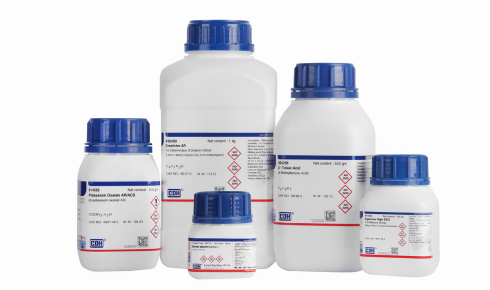
In recent years, there has been a clear shift across industries toward cleaner, more sustainable chemical formulations. One of the most notable changes is the growing demand for low-residue EDTA formulations, driven by the need for products that deliver high performance while minimizing environmental impact. From agriculture to water treatment and industrial cleaning, these advanced formulations are helping industries achieve greater efficiency and sustainability.
As global standards for environmental safety tighten, manufacturers and EDTA exporters are focusing on developing purer, more eco-friendly versions of widely used chelating agents. Among these, EDTA tetrasodium salt has become a preferred choice for applications that require superior stability, solubility, and low residue levels.
Why low-residue formulations are gaining attention
Traditional EDTA formulations, though effective, sometimes leave behind residues that can affect the efficiency of systems or raise environmental concerns. Industries that rely on precision and cleanliness, such as pharmaceuticals, agriculture, and water treatment, are now seeking cleaner alternatives. Low-residue EDTA formulations meet this demand by offering the same chelating power while ensuring minimal leftover material after application.
In agriculture, for example, low-residue formulations prevent the accumulation of excess chemicals in soil and water. This helps maintain soil health and supports sustainable farming practices. In water treatment, they enhance the efficiency of water softening chemicals, ensuring that systems remain clean and scale-free. For industrial processes, such as detergents or metal cleaning, these formulations contribute to improved performance and reduced waste disposal costs.
The science behind EDTA Tetrasodium Salt
EDTA tetrasodium salt is one of the most versatile chelating agents used today. It binds with metal ions like calcium, magnesium, and iron, preventing them from interfering with reactions or causing scaling and deposits. Its high solubility and stability in alkaline environments make it ideal for industrial cleaning, textile processing, and the formulation of detergents and personal care products.
When manufactured with low-residue standards, EDTA tetrasodium salt ensures higher purity and consistency. This makes it suitable not only for industrial applications but also for sensitive sectors such as pharmaceuticals and food processing, where cleanliness and compliance are critical.
Low-residue versions of EDTA also play an important role in agriculture by improving nutrient delivery in fertilizers. When used as part of a chelated formulation, EDTA ensures that essential micronutrients like zinc, iron, and manganese remain available to plants without reacting with soil components. This leads to better crop growth and more efficient use of inputs.
The role of manufacturers and exporters
The shift toward low-residue chemistry has created new opportunities for chelate manufacturers in India and global suppliers who specialize in high-purity EDTA products. With growing international demand, Indian producers have emerged as key players due to their strong manufacturing capabilities and adherence to global quality standards.
Many EDTA exporters are now investing in advanced production methods to meet the specifications of international clients who prioritize sustainability and quality. The emphasis is no longer just on bulk production but on precision manufacturing that delivers cleaner and more efficient chemical solutions.
Companies like ACI Industries are among those contributing to this change by developing innovative formulations that align with modern environmental and performance requirements. Their focus on research, process optimization, and compliance ensures that clients across sectors receive reliable, high-quality products suitable for diverse applications.
A cleaner future with smart chemistry
The movement toward low-residue EDTA formulations represents more than just a technical improvement. It reflects a broader commitment across industries to adopt responsible and efficient chemical practices. By reducing residue levels, improving solubility, and enhancing purity, these new formulations help industries minimize waste and improve overall process performance.
As the global market continues to prioritize sustainability, chelate manufacturers in India and EDTA exporters have a unique opportunity to lead this transformation. By focusing on low-residue and eco-friendly formulations, they can meet international demand while supporting a cleaner and more efficient future for industrial and agricultural applications.
The evolution of EDTA tetrasodium salt and other chelating agents marks an important step forward in sustainable chemistry, where innovation and environmental responsibility go hand in hand.